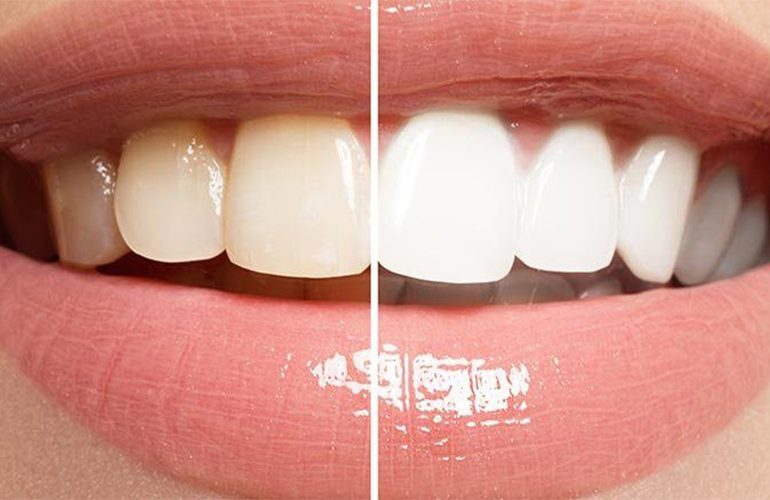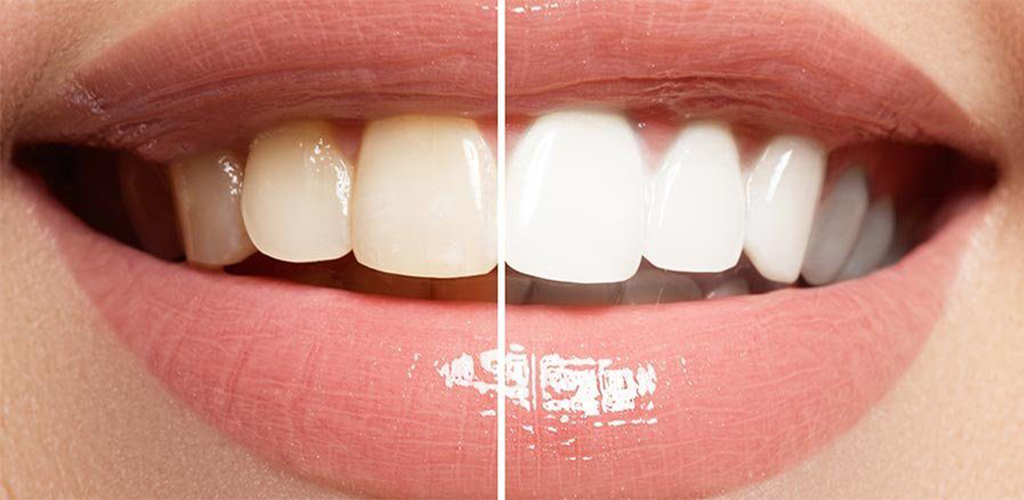
A single tooth that looks markedly darker than the others in a smile can be quite disturbing aesthetically, especially if it is in the front region. This is often seen in teeth that have had root canal treatment or have received a blow in the past, and the source of the color change is inside the tooth. For this reason, classic whitening done from the outside is generally not sufficient. Single-tooth whitening is a method that largely preserves tooth tissue and aims to eliminate such color changes by applying the whitening agent inside the tooth. As DijiDent Oral and Dental Health Polyclinic, we apply this procedure for our patients in Türkiye after a detailed evaluation.
Why Does a Single Tooth Darken?
Bleeding inside the pulp after trauma, loss of pulp vitality, tissue remnants left in the crown portion of the tooth during root canal treatment or some root canal filling materials can cause the tooth to change color from within. The coloring substances settle into the dentinal tubules and cause the tooth to look gray, brown or dark yellow.
Who Is It Suitable For?
- Teeth with successful root canal treatment: Teeth with no infection at the root tip and an adequate root canal filling.
- Teeth whose tissue is largely preserved: Teeth without large fillings or crowns.
- Internally caused color change: Situations where the color change originates from the internal structure of the tooth.
Dark Teeth Without Root Canal Treatment
In a tooth that has darkened after a blow but has not had root canal treatment, the condition of the pulp is evaluated first. If the tooth has lost its vitality, root canal treatment must be done before internal whitening. If the tooth is vital, internal whitening is not applied; the cause of the color change is evaluated from a different perspective.
Evaluation Before Treatment
The quality of the root canal treatment and the condition of the root tip are examined with radiographic images. If there is a problem with the root canal treatment, retreatment can be done first. The current color of the tooth is measured and recorded with photographs. Whether there is a large filling or crack in the tooth is evaluated.
How Is the Procedure Done?
Opening the Access Cavity
The access cavity opened during root canal treatment is reached from the back surface of the tooth. Old filling materials and discolored tissues in the crown portion are cleaned.
Protective Barrier
The top part of the root canal filling is sealed with a special barrier material to prevent the whitening agent from reaching the root area. This step is very important for the safety of the procedure.
Placing the Whitening Agent
The whitening agent is placed in the cavity in the crown portion of the tooth, and the tooth is closed with a temporary filling. The agent remains inside the tooth for a few days and takes effect; for this reason, the method is also called walking bleach.
Check and Repetition
After a few days, the color is evaluated. If the desired color has not been reached, the procedure can be repeated. A few sessions are generally sufficient; however, the number of sessions varies according to the severity and duration of the color change.
Permanent Restoration
After the desired color is reached, a short period is waited for color stabilization, and then the access cavity is closed with a permanent tooth-colored filling.
What to Pay Attention to Between Sessions
- Protect the temporary filling: Avoid biting hard foods with the treated tooth.
- Coloring foods: Staying away from coloring agents such as tea, coffee and cigarettes throughout the process is recommended.
- Report symptoms: If the temporary filling falls out, or in the case of pain in the tooth or swelling in the gum, inform the clinic.
Advantages
- Tooth tissue is preserved: It requires much less intervention than a crown or veneer.
- Natural appearance: The tooth’s own tissue and translucency are preserved.
- It does not close off other options: If necessary, a veneer or crown can be made in the future.
Limits and Risks
The result is not the same in every case; success may be limited in teeth that have been dark for a long time or in discolorations caused by old metal-containing fillings. Some return of color may be seen over time; in this case, the procedure can be repeated or different options can be considered. Resorption of the root surface, a rare but important risk, is minimized by correctly placing the protective barrier and following current protocols. For this reason, radiographic check-ups are recommended in the period after the procedure.
If It Is Not Enough
If internal whitening does not give the desired result or if there is a large loss of tooth structure, options such as composite bonding, laminate veneers or crowns can be considered. In very dark teeth, a veneer made after internal whitening can help achieve a thinner and more natural result.
When deciding among these options, the remaining sound tissue of the tooth and the color of the neighboring teeth are evaluated together.
Personal Evaluation
At DijiDent, for our patients with a color change in a single tooth, we first evaluate the health of the tooth, and then openly share the result internal whitening can provide and the alternative options.
Frequently Asked Questions
The whitening agent is placed inside the root-canal-treated tooth and left for a few days to take effect; it is repeated if necessary.
A few sessions are generally sufficient; it varies according to the severity of the color change.
No. The condition of the tooth is evaluated first; root canal treatment is done if necessary.
Some return may be seen over time; the procedure can be repeated if necessary.
In suitable cases, it can be an alternative that preserves tooth tissue.
A solution for your darkened tooth with minimal intervention.
Contact us to book an appointment to learn whether internal whitening is suitable for the color change in your single tooth. Let us evaluate your tooth in detail at DijiDent Oral and Dental Health Polyclinic.
This content is for general information purposes and does not replace an examination by a dentist. Treatment results vary from person to person; a specific color result cannot be guaranteed.