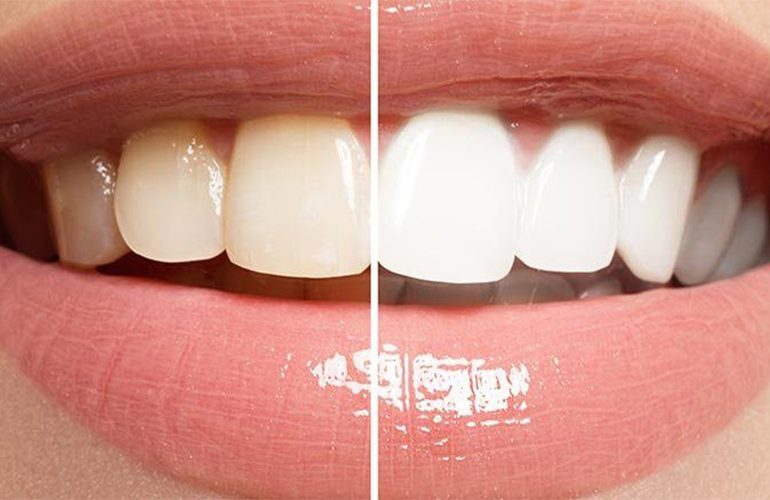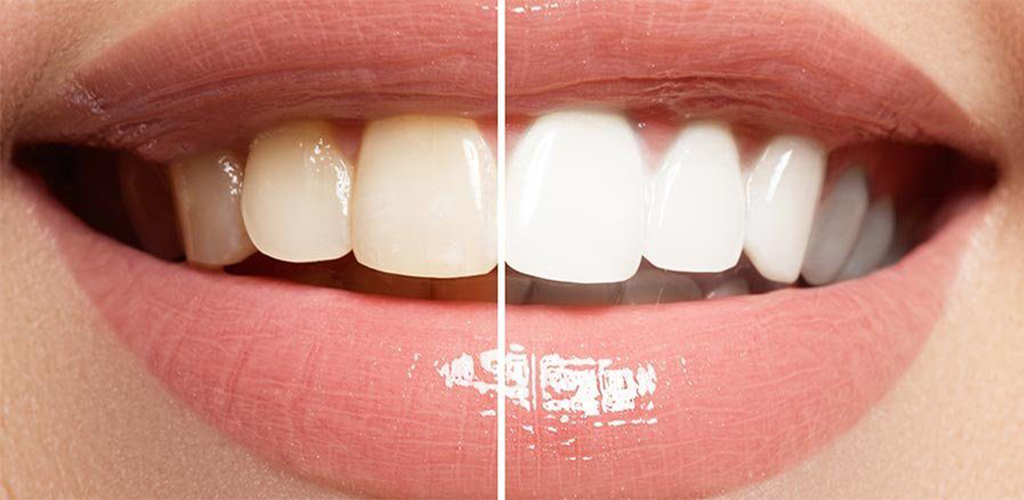
Tetracycline discoloration refers to gray, brown or yellowish color changes that appear in the teeth due to the use of tetracycline-group antibiotics during the period of tooth development. It generally develops not in adulthood, but due to medications to which one was exposed in childhood or in the womb, and since it is located in the internal structure of the teeth, it cannot be removed with cleaning. Such discolorations may respond to classic whitening to a more limited extent than other types of discoloration. Knowing what options are available for tetracycline discoloration helps you choose the solution that suits you with realistic expectations. As DijiDent Oral and Dental Health Polyclinic, we offer our patients in Türkiye personalized aesthetic plans in this situation.
How Does Tetracycline Discoloration Form?
Tetracycline-group antibiotics can bind to calcium while the teeth are developing and settle into the enamel and especially the dentin structure. For this reason, the risk of discoloration is associated with the use of the medication during the period from the second half of pregnancy until about the age of 8. The severity of the discoloration depends on the type of medication, the dose, the duration of use and the period in which it was used. Today, since this risk is known, tetracycline-group medications are used in pregnancy and in young children only when necessary and with a physician’s evaluation.
Degrees of Discoloration
- Mild: Light yellow or light gray discoloration spread over the whole tooth, without bands.
- Moderate: More pronounced yellow-brown or gray tones.
- Severe: Dark gray, bluish or brown tones and marked horizontal bands.
- Very severe: Very dark and heavily banded discolorations.
The degree of discoloration directly affects the treatment options and the expected result.
Treatment Options
Long-Term At-Home Whitening
In mild and moderate tetracycline discolorations, long-term at-home whitening under a dentist’s supervision can be considered. Since such discolorations respond much more slowly than with normal whitening, the process may need to last a few months. The areas near the gum margin in particular lighten last. The result can vary greatly from person to person, and the color may not be completely corrected. Throughout the process, sensitivity and gum health are followed up regularly.
Combined Whitening
Combined approaches that start with in-office applications and continue with long-term at-home whitening can also be considered.
Composite Bonding
The color can be masked by applying tooth-colored composite material to the tooth surface. Its important advantage is that it can be applied with very little or no removal of tooth tissue. However, opaque layers may be needed to mask dark colors, and this can affect naturalness. Composite can discolor over time and may need to be renewed.
Laminate Veneers
These are thin ceramic shells bonded to the front surface of the teeth. In severe tetracycline discolorations, they can be one of the most predictable options in terms of color masking and aesthetics. Ceramic materials have high color stability. However, they require some enamel to be removed from the tooth surface. With very dark colors, the thickness and opacity of the veneer are carefully planned so that the underlying color does not show through; in some situations, whitening first can help the veneer be thinner and more natural.
Crowns
Crowns can be considered in very severe discolorations or when there are additional structural problems in the teeth. However, since they require more tooth tissue to be removed, they are generally not the first choice.
In some patients, different methods can be used together; for example, whitening can be done first and the remaining color differences resolved with bonding.
Which Option Is Right for You?
- Degree of discoloration: Whitening may be more suitable for mild discolorations, and veneers for severe discolorations.
- Preference for preserving tooth tissue: Conservative options can be considered first.
- Expectations: If partial improvement is sufficient, whitening; if a marked and even color is desired, restorations.
- Patience and time: Long-term whitening requires patience and regular use.
- Gum and tooth health: The teeth and gums must be healthy for restorations.
Realistic Expectations
In tetracycline discoloration, whitening can often provide a marked improvement; however, it may not eliminate the color completely, and the bands may remain visible to some extent. For this reason, it is very important that expectations are discussed openly before treatment. Digital smile design and trial applications can help visualize the results of different options in advance.
It is recommended that you do not rush when making your decision.
Prevention in Children
In pregnancy and in children under 8 years of age, antibiotic use should only be on a physician’s recommendation. Avoid treating on your own or with medications left over at home. When necessary, your physician will consider alternatives that will not affect tooth development.
A Personalized Plan
At DijiDent, we evaluate the degree of discoloration of our patients with tetracycline discoloration in detail, present all options from whitening to veneers together with their advantages and limits, and make the decision together accompanied by digital smile design.
Frequently Asked Questions
In mild and moderate cases, marked improvement can be achieved with long-term whitening; however, the result may be limited.
In severe cases, veneers are one of the most predictable options in terms of color masking.
Since the discoloration is located deep in the dentin, it responds slowly; it can take a few months.
Whitening and bonding are options that largely preserve tooth tissue.
In pregnancy and in young children, antibiotics should only be used on a physician’s recommendation.
A personalized solution for gray and banded teeth.
Contact us to book an appointment to learn your options for tetracycline discoloration and to plan your smile together. Let us carry out your digital smile design at DijiDent Oral and Dental Health Polyclinic.
This content is for general information purposes and does not replace an examination by a dentist. Treatment results vary from person to person; a specific color result cannot be guaranteed.