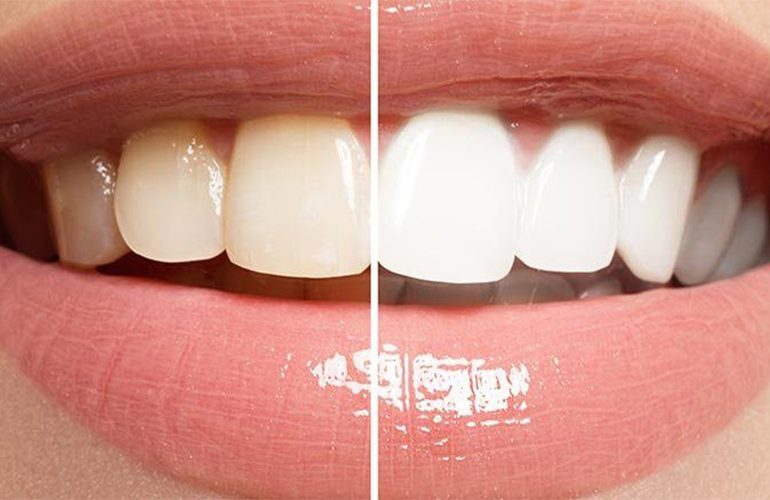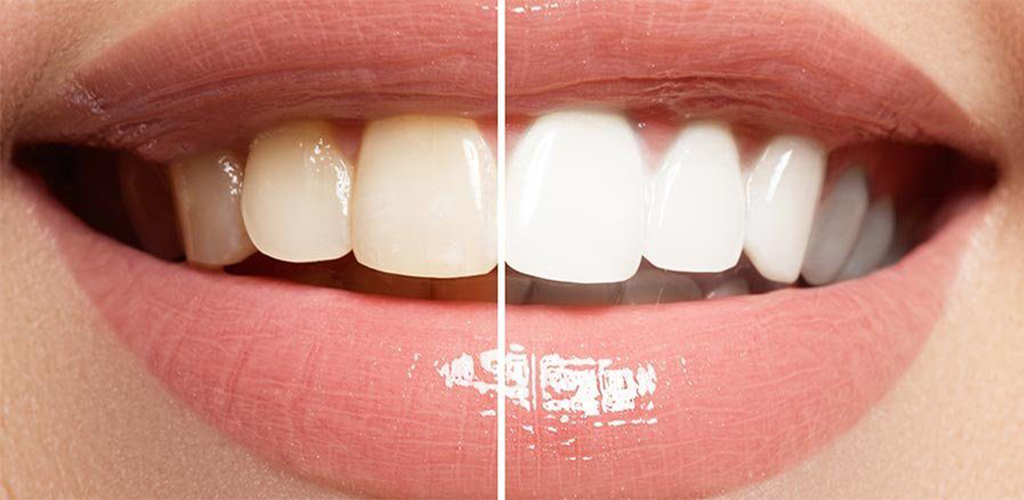
On store shelves and online, there are many products such as whitening toothpastes, whitening strips, color-correcting toothpastes and mouthwashes. These products are often promoted with advertisements promising fast and marked whiteness. But how effective are they really, and in which situations do they work? Knowing how whitening toothpaste and strips work allows you to set your expectations realistically and avoid products that could harm your teeth. As DijiDent Oral and Dental Health Polyclinic, we provide our patients in Türkiye with impartial and science-based information about these products.
How Do Whitening Toothpastes Work?
Most whitening toothpastes are aimed at reducing surface stains rather than changing the internal color of the teeth. This effect is generally achieved in three different ways:
- Mild abrasives: They mechanically remove surface stains such as those from tea, coffee and cigarettes.
- Chemical stain removers: Some ingredients help dissolve coloring substances on the surface.
- Low-concentration peroxide: Some products contain a small amount of peroxide; however, due to the short brushing time, its effect on the internal color is limited.
What Does It Do?
It can be supportive in reducing the accumulation of surface stains and in maintaining the result achieved after professional whitening. With regular use, it can contribute to the teeth looking cleaner and brighter.
What Does It Not Do?
It does not markedly change intrinsic discolorations such as age-related yellowing, tetracycline discoloration or darkening in root-canal-treated teeth. Expecting the natural color of the teeth to lighten by a few shades is not realistic.
The Abrasiveness Problem
Some whitening toothpastes may have a high level of abrasiveness. Especially when combined with a hard-brushing habit, they can lead to wear of the enamel surface and sensitivity in the root surfaces at the gum margin in the long term. When the enamel wears, the yellowish dentin beneath can become more visible; this can cause the teeth to look more yellow. It is recommended that people with sensitive teeth or gum recession consult their dentist about choosing a toothpaste.
Activated Charcoal Toothpastes
Scientific evidence regarding the whitening effect of black activated charcoal toothpastes is limited. Some of these products may be abrasive, and most do not contain fluoride. In addition, charcoal particles can accumulate at filling margins and the gum line. For this reason, they are not recommended for routine use.
Color-Correcting (Purple-Blue) Toothpastes
Purple or blue toothpastes, which have become popular recently, aim to optically neutralize yellow tones based on color theory. They can make the teeth look whiter immediately after brushing; however, this effect is temporary and does not change the true color of the teeth. It disappears within a few hours or after eating.
Whitening Strips
Whitening strips are thin flexible strips with a low-concentration peroxide gel on them, and they are applied to the teeth for set periods. They can have a more marked effect on the internal color of the teeth than whitening toothpastes.
Limits and Risks
- Standard size: Since strips are not custom-made for the mouth, they may not cover all the teeth evenly; uneven results may be seen, especially in the areas between teeth.
- Gum contact: Contact of the gel with the gum can lead to irritation and burning.
- Use without examination: If there are caries, cracks or exposed root surfaces, severe sensitivity may be seen.
- Excessive use: Using them for longer or more often than recommended increases sensitivity.
- Restorations: Fillings and crowns do not whiten; a color mismatch may occur.
If you are considering using strips, it is recommended that you first consult your dentist and strictly follow the durations in the manufacturer’s instructions.
Whitening Mouthwashes
Since whitening mouthwashes stay in the mouth for a very short time, they are not expected to have a marked effect on the color of the teeth. They can provide limited support in reducing the accumulation of surface stains.
How to Choose the Right Product?
- Examination first: Learn the type of discoloration and the condition of your teeth.
- Fluoride content: It is important for protection against caries that the toothpaste you choose contains fluoride.
- Abrasiveness: If you have sensitivity or gum recession, prefer products with low abrasiveness.
- Realistic expectations: Remember that toothpastes are aimed at surface stains.
- Reliable source: Buy products from sources where they are legally sold and their content is known.
When evaluating whiteness claims on the packaging of oral care products, examining which types of stains the product targets and its content helps you make a more informed choice.
When Should You Seek Professional Support?
If you are markedly dissatisfied with the color of your teeth, if you cannot get the result you expect with store-bought products, or if you have noticed a color change in a single tooth, it is recommended that you consult a dentist. At DijiDent, by carrying out your color analysis, we evaluate together professional cleaning, dentist-supervised whitening or other aesthetic options according to your needs.
Frequently Asked Questions
It can help reduce surface stains; however, it does not markedly change the internal color of the teeth.
Use without examination and excessive use can lead to sensitivity and gum irritation; a dentist’s advice is recommended.
It provides a temporary optical effect; it does not change the true color of the teeth.
Highly abrasive products and hard brushing can wear the enamel in the long term.
Scientific evidence is limited and some may be abrasive; routine use is not recommended.
Realistic expectations begin with choosing the right product.
Contact us to book an appointment to learn the oral care products and whitening options that suit you. Let us carry out your color analysis together at DijiDent Oral and Dental Health Polyclinic.
This content is for general information purposes and does not replace an examination by a dentist. It is recommended that you consult your dentist about product selection.