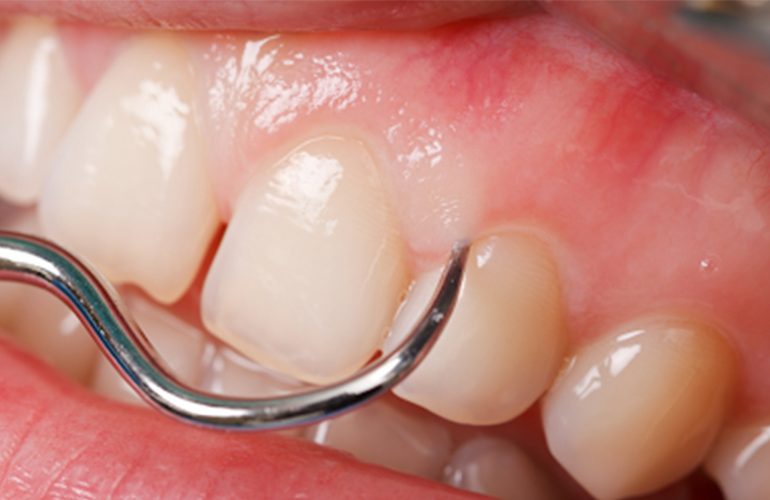
A water flosser is a device that removes food debris and loose deposits by spraying pressurized or pulsating water between the teeth and along the gum margin. Although its home use has become increasingly common in recent years, it does not provide the same benefit for every mouth. The answer to the question of who a water flosser is recommended for varies according to the tooth structure, the prostheses or appliances used and the person’s existing care habits. As DijiDent Oral and Dental Health Polyclinic, we clearly explain to our patients in Türkiye when and how they should use this device.
How Does a Water Flosser Work?
The device sprays the water in its reservoir from a fine tip with intermittent and adjustable pressure. This water stream helps clean food debris from between the teeth, around brackets and wires, under bridges and around implant-supported prostheses, where the brush has difficulty reaching. It also creates a light massage effect at the gum margin.
However, the basic limit of a water flosser is this: it may not be able to scrape off bacterial plaque firmly stuck to the tooth surface as effectively as dental floss or an interdental brush. For this reason, in most cases it is considered not a solution on its own but an aid added to the existing routine.
Who Can It Be Beneficial For?
- Those undergoing fixed orthodontic treatment: Cleaning the debris that accumulates around brackets and wires can be much easier than threading floss.
- Those with implants and bridges: It provides additional cleaning support on complex surfaces such as under prostheses and around implants.
- People with limited manual dexterity: It can offer a practical alternative for those who cannot use floss due to arthritis, tremor or advanced age.
- Those with a history of periodontal treatment: On a dentist’s recommendation, it can be used as a supportive tool aimed at reducing deposits at the gum margin.
- Those who do no interdental cleaning at all: Compared to no cleaning at all, starting with a water flosser can be a step towards acquiring the habit.
Does a Water Flosser Replace Dental Floss?
This is the question our patients ask most often. The short answer: it varies from person to person. In teeth with tight contact points and a preserved gum level, dental floss or an interdental brush still holds an important place. In special situations such as orthodontic appliances, implants or bridges, a water flosser can improve cleaning quality when used together with other tools. Deciding which combination suits you based on your examination findings is the most correct approach.
Steps for Correct Use
Preparation
Fill the reservoir with lukewarm water. Especially during the first uses, start with the lowest pressure setting; as your gums get used to it, you can gradually increase the pressure. To prevent water from splashing around, lean over the sink and keep your lips slightly closed.
Application
- Angle: Aim the tip at the gum line at an angle of about 90 degrees.
- Order: Starting from the back teeth, pause for a few seconds between each tooth and proceed in a regular order.
- Inner and outer surfaces: Clean the gum margins on both the cheek and tongue sides separately.
- Duration: One to two minutes is usually sufficient for the whole mouth.
Device Hygiene
Empty the reservoir after each use and leave it to dry. The tips should be replaced at regular intervals according to the manufacturer’s recommendation. If a single device is used within the family, each person needs to use their own tip.
What Should You Look For When Choosing a Device?
There are many water flossers with different features on the market. When choosing, it is more correct to focus on your usage needs rather than the brand.
- Pressure setting: Devices that offer more than one pressure level make it easier to start at a low level and get used to it.
- Tip types: Special tips designed for orthodontic, implant or periodontal pocket areas can make a difference depending on your purpose of use.
- Reservoir capacity: A reservoir sufficient to clean the whole mouth at once reduces interruptions during use.
- Portability: Rechargeable and compact models can be practical for those who travel frequently; countertop models may offer stronger flow for home use.
Bringing the device to your check-up appointment after buying it makes it easier for your dentist to show you the right tip and pressure setting in your mouth. In this way, you will have started with the correct technique from the first day.
Situations Requiring Attention
If you have recently had a tooth extraction, implant surgery or gum surgery, ask your dentist when you can start using a water flosser; in the early period, pressurized water may disturb the healing tissue. If you notice significant pain or increased bleeding during use, lower the pressure and inform your dentist. Adding mouthwash or other solutions to the water flosser without a dentist’s recommendation is also not recommended.
Frequently Asked Questions
When used at a suitable pressure and at the correct angle, it is not expected to cause damage. Very high pressure or incorrect technique can lead to irritation.
Once a day is usually considered sufficient. In special situations such as braces or implants, your dentist may recommend a different frequency.
No. Hardened tartar can only be removed with professional cleaning in the clinic.
It can be used, especially in children undergoing orthodontic treatment, under adult supervision and at low pressure. Evaluate its suitability with your dentist.
Adding it without a dentist’s recommendation is not advised. Some solutions may damage the device or create unwanted effects.
The right device makes a difference with the right technique.
Contact us to book an appointment to learn whether a water flosser is suitable for you and how it can be added to your routine. Let us create your personal care plan together at DijiDent Oral and Dental Health Polyclinic.
This content is for general information purposes and does not replace an examination by a dentist. The choice of home care tools is recommended by the dentist according to the person’s oral structure.