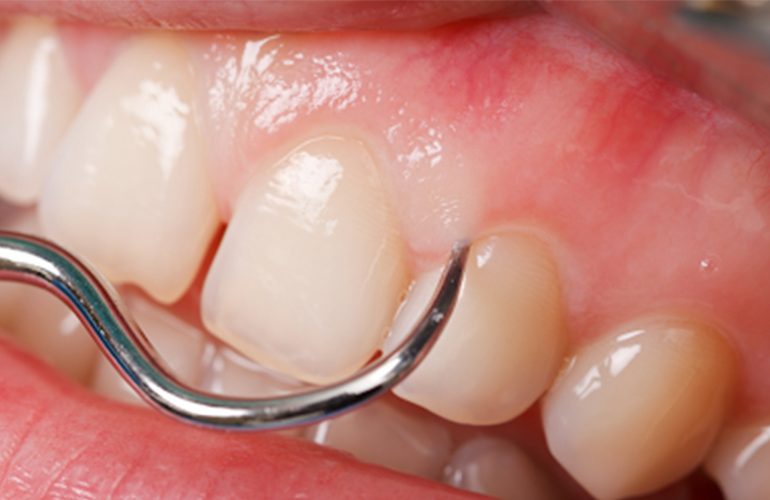
Tooth looseness, considered natural in the baby tooth period, is always a finding that needs attention in adulthood. Since it often starts without pain, it is postponed; however, the underlying cause may continue to progress. The causes of loose teeth span a wide range from gum disease to trauma, and from teeth clenching to infection, and the treatment approach depends entirely on this cause. As DijiDent Oral and Dental Health Polyclinic, in our patients in Türkiye we first clarify the cause and then create the plan aimed at preserving the tooth together.
Does Every Tooth Move a Little?
A healthy tooth is not fused directly to the jawbone; there is a flexible connective tissue called the periodontal ligament between the root and the bone. This structure absorbs chewing forces and allows the tooth a very small physiological movement that cannot be noticed with the eye. Movement that can be felt with the tongue or a finger, that causes discomfort when chewing or that gradually increases is considered pathological and should be evaluated.
The Main Causes of Loose Teeth
Gum Disease (Periodontitis)
This is the most common cause of loose teeth in adults. Gum inflammation that remains untreated for a long time leads to the gradual loss of the bone supporting the tooth. As support decreases, the tooth may begin to move, gaps may form between teeth and the teeth may begin to shift. Gum bleeding, bad breath and gum recession frequently accompany this picture.
Teeth Clenching and Grinding
Teeth clenching and grinding, especially during sleep, apply forces far above normal to the teeth. This excessive load can cause strain on the supporting tissues and mobility in the tooth. When it occurs together with gum disease, the process may accelerate.
Trauma
Falls, impacts or sports injuries can loosen a tooth in its socket. Timing is very important for teeth that become loose after trauma; early intervention can increase the chance of the tooth being preserved.
Infection, Abscesses and Cysts
An abscess developing at the root tip or within the gum can make the tooth mobile by causing swelling and bone loss in the surrounding tissues. When the infection is brought under control, mobility may decrease in some cases. Cysts in the jawbone can also lead to a similar picture.
Other Factors
- Orthodontic treatment: Slight movement seen in the teeth during treatment is usually an expected part of the process and is monitored under the dentist’s supervision.
- Hormonal changes: Changes in the supporting tissues during pregnancy can cause temporary mobility.
- Systemic diseases: Uncontrolled diabetes is an important risk factor that can accelerate the progression of gum disease.
- Missing teeth: Not having a prosthesis made for extracted teeth for a long time can lead to shifting and overloading of the neighboring teeth.
How Is a Loose Tooth Evaluated?
During the examination, the degree and direction of the tooth’s movement are determined. Gum pocket depths are measured, and gum bleeding and signs of inflammation are recorded. The level of the bone surrounding the tooth is examined with radiographic images; when necessary, a more detailed evaluation can be made with three-dimensional imaging. The bite pattern, signs of teeth clenching and general health history are also information that completes the picture.
The Treatment Approach Is Determined by the Cause
In looseness due to gum disease, bringing the inflammation under control with periodontal treatment is the first step. In situations where excessive force plays a role, bite adjustment and a night guard may come into consideration. Splinting to neighboring teeth is considered in some cases to provide support for mobile teeth. In looseness due to trauma, repositioning and stabilizing the tooth may be necessary.
Not every loose tooth leads to the same outcome. The options for preserving the tooth are shared with you after the extent of support loss, the position of the tooth and general oral health are evaluated together. In cases where the tooth cannot be preserved, alternative treatment paths are discussed openly.
What Can Be Done to Prevent Loose Teeth?
Many causes of loose teeth can be brought under control when noticed at an early stage. A few adjustments in daily care and lifestyle habits make an important contribution to protecting the supporting tissues.
- Regular oral care: Brushing twice a day and cleaning between the teeth every day are the main preventive steps against gum disease.
- Periodic check-ups: Gum pocket measurements and professional cleaning help catch changes before symptoms appear.
- Managing teeth clenching: If you notice morning jaw pain or wear on your teeth, evaluate the need for a night guard with your dentist.
- Protective mouthguard: Using a suitable mouthguard can reduce the risk of trauma in those who play contact sports.
- General health monitoring: Keeping systemic diseases such as diabetes under control also supports gum health.
When Should You Seek Care Immediately?
It is recommended that you go to the clinic without losing time when you notice teeth that have moved out of place after an impact, swelling, pain or purulent discharge accompanying the looseness, movement that becomes noticeable in a short time or a sudden change in how your teeth close together.
Frequently Asked Questions
It depends on the cause. Mobility after infection or mild trauma may decrease with treatment; however, looseness due to bone loss usually does not improve without treatment.
In many cases there are options aimed at preserving the tooth. The outcome depends on the extent of support loss and the cause, and is evaluated after the examination.
Gum disease often progresses without pain. The absence of pain does not mean that the process has stopped; early evaluation is important.
Excessive force can contribute to tooth mobility; its effect may increase especially when combined with gum disease.
Without trying to move the tooth, go to the clinic as soon as possible. Early intervention can increase the chance of preservation.
A loose tooth is a warning; let us find the cause together.
Contact us to book an appointment to learn the cause of the movement in your tooth and to evaluate the options for preserving it. Let us carry out a detailed periodontal evaluation at DijiDent Oral and Dental Health Polyclinic.
This content is for general information purposes and does not replace an examination by a dentist. Treatment options and results vary from person to person; the decision is made after the dentist’s examination.