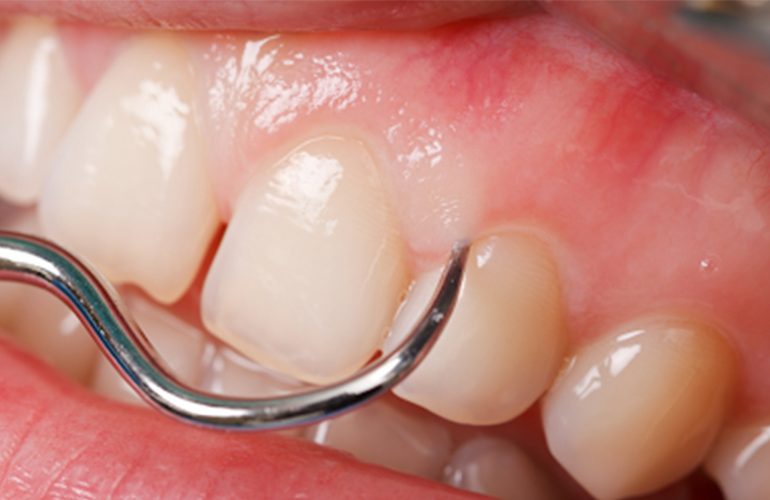
Diabetes is a chronic condition that affects many systems of the body, and the oral tissues also take their share. This is one of the systemic relationships most emphasized in dentistry. The link between diabetes and gum health is described not as one-way but as mutual. As DijiDent Oral and Dental Health Polyclinic, in Türkiye we set up the treatment plan for our diabetic patients while taking this relationship into account.
What Does a Two-Way Relationship Mean?
Uncontrolled blood sugar can negatively affect the healing response and immune defense in the tissues. For this reason, it is reported that periodontal disease is seen more often and can progress faster in people with diabetes.
The other side of the relationship is less well known: it is being researched whether advanced periodontal inflammation can make blood sugar control more difficult by increasing the overall inflammatory burden in the body. Some studies have reported improvement in metabolic parameters after periodontal treatment.
These findings are at the level of association, and periodontal treatment cannot be presented as a diabetes treatment. However, they show that gum health is a part of diabetes management that should not be overlooked.
Oral Findings Common in Diabetic Patients
- Gum inflammation and bleeding: It may be more pronounced and more persistent.
- Dry mouth: Reduced saliva flow increases the risk of caries and inflammation.
- Slow healing: Healing after extractions and surgery may take longer.
- Fungal infections: They may be seen more often, especially in denture wearers.
- Taste changes: They are reported in some patients.
- Tendency to abscesses: Infections can spread more easily.
The Importance of Control
What is decisive here is not the presence of a diabetes diagnosis but how well blood sugar is controlled. In a patient under control, oral findings may not be significantly different from those of a person without diabetes. On the other hand, the risk increases when it is uncontrolled.
For this reason, it is important that you provide information about your current blood sugar level and the medications you use during the examination. This information allows the treatment to be planned and, if necessary, communication with your relevant physician.
The Early Warning Value of a Dental Examination
In some patients, oral findings may appear before diabetes is diagnosed. When treatment-resistant gum inflammation, recurring abscesses, non-healing sores and pronounced dry mouth are seen together, your dentist may recommend a blood sugar evaluation. This does not mean making a diagnosis; it allows a referral to the relevant physician. This aspect of regular dental check-ups is often overlooked.
Points Considered in Treatment Planning
Periodontal treatment can and should be applied in diabetic patients. The following points are considered in planning: scheduling the appointment at a suitable time of day, not disrupting the meal and medication routine, evaluating the state of control before surgical procedures and following the healing period more closely.
It is recommended that you do not skip your meal before coming to your appointment; this helps prevent a drop in blood sugar during the procedure. If you feel unwell, report it immediately.
Can an Implant Be Placed?
Diabetes alone is not an absolute obstacle. What is decisive is the level of metabolic control, gum health and bone condition. In patients under control, implant treatment can be applied in many cases; however, healing is followed more carefully and care requirements are explained more meticulously.
In Children and Young People
It is reported that gum findings may also be seen more often in children and young people with type 1 diabetes. In this age group, regular dental check-ups are recommended for both caries monitoring and gum health. Informing families about this makes it easier to establish habits early.
The Maintenance Program
In diabetic patients, check-up intervals are usually kept shorter. Inflammation noticed early provides an advantage in terms of both oral health and general health. For this reason, it is recommended that you do not neglect regular check-ups even if you have no complaints.
Frequently Asked Questions
Yes. Planning is done taking into account your level of control and the medications you use.
Some studies have reported positive effects; however, this is not a diabetes treatment.
Increasing fluid intake and products your dentist recommends may help.
Yes. Your state of control is evaluated and, if necessary, your relevant physician is contacted.
Shorter intervals are usually recommended; your dentist determines the frequency.
Gum health is a part of diabetes management.
Let us evaluate your oral health regularly and create a program specific to you. Contact us to book an appointment; let us plan your follow-up at DijiDent Oral and Dental Health Polyclinic.
This content is for general information purposes and does not replace diabetes treatment. Discuss your medication and diet with your relevant physician.