When a toothache starts, the first solution that comes to many people’s minds is to take antibiotics. Sometimes an old prescription left at home, sometimes a relative’s suggestion leads to this route being taken. Yet most toothaches are not solved with antibiotics; moreover, unnecessary use can cause serious problems for both the person and society. Knowing the answer to the question of whether antibiotics relieve toothache allows you to reach the right treatment in time. As DijiDent Oral and Dental Health Polyclinic, we clearly explain rational medication use for toothache to our patients in Türkiye.
Where Is the Source of the Toothache?
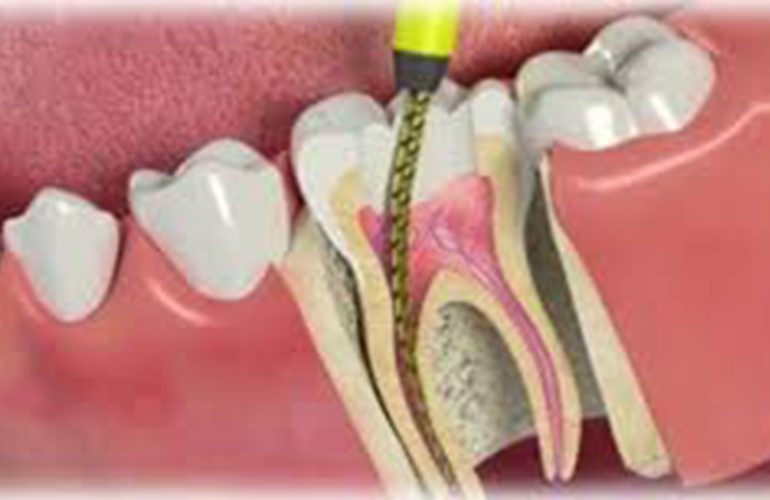
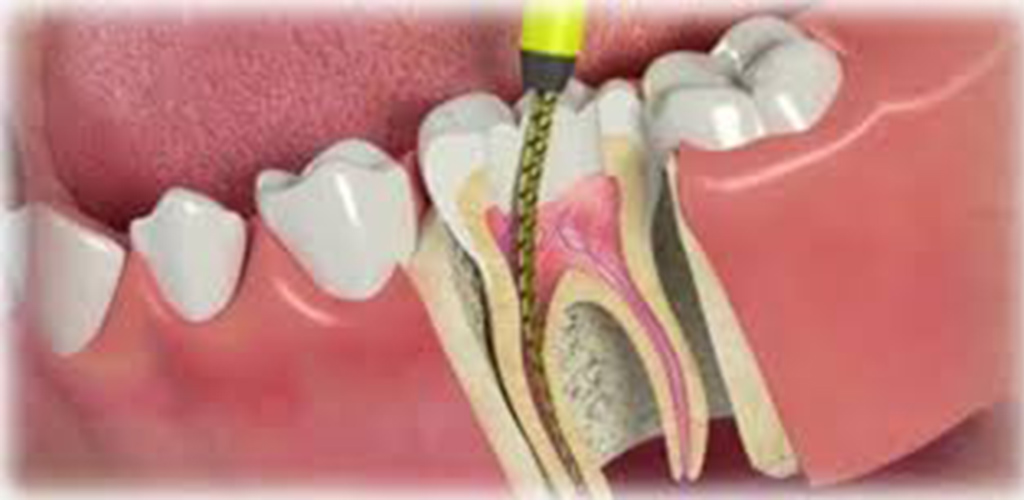
The most common cause of toothache is inflammation of the tooth nerve called the pulp. When the pulp is affected due to deep caries, a crack or trauma, pressure increases in the closed space inside the tooth and pain appears. This inflammation may be accompanied by a bacterial infection; however, the source is inside the tooth, in an area where blood circulation is very limited. It is difficult for antibiotics carried by the bloodstream to reach this area effectively.
Why Are Antibiotics Not Enough on Their Own?
Pulp tissue that has lost its vitality and infected canals create a sheltered environment for bacteria. Antibiotics can temporarily suppress an infection spreading to the surrounding tissues, providing a decrease in swelling and pain; however, they do not eliminate the source of infection inside the tooth. When the medication runs out, the bacteria multiply again and the complaints recur. For this reason, in tooth-related infections, the real treatment is cleaning the source: root canal treatment, abscess drainage, cleaning the gum pocket or, when necessary, extracting the tooth.
Antibiotics in Pulp Inflammation
In toothaches caused only by pulp inflammation and not accompanied by swelling or general symptoms, antibiotic use is generally not recommended. What is effective in such pain is removing the inflamed pulp. Current dental guidelines also support this approach.
In Which Situations Might Antibiotics Be Needed?
Antibiotics have an important place in dentistry; however, they are used in certain situations and as support for treatment. Your dentist may prescribe antibiotics in situations such as the following:
- Spreading infection: Spreading swelling in the face, under the jaw or in the neck.
- General symptoms: Fever, weakness and enlarged lymph nodes.
- Situations in which drainage cannot be provided immediately: Cases in which treatment cannot be done in a short time and the infection carries a risk of spreading.
- Immunosuppressed patients: Special situations in which infections can progress faster.
- Some surgical procedures: For preventive purposes in certain situations the dentist deems necessary.
Even in these situations, antibiotics do not replace dental treatment directed at the source of infection; they accompany it.
The Risks of Using Antibiotics on Your Own
- Delay of the real problem: When the pain decreases temporarily, treatment is postponed and the infection may progress silently.
- Antibiotic resistance: Unnecessary and insufficient-duration use contributes to bacteria acquiring resistance to medications. This can reduce the effectiveness of medications when they are really needed.
- Side effects: Gastrointestinal problems, allergic reactions and disruption of the gut flora may be seen.
- Drug interactions: There is a risk of interaction with other medications being used.
- Wrong choice of medication: The medication in an old prescription may not be suitable for the current infection.
Antibiotic resistance is defined by the World Health Organization as an important public health problem on a global scale. Rational antibiotic use in dentistry is part of the fight against this problem.
If Antibiotics Have Been Prescribed
If your dentist has prescribed antibiotics, use the medication at the specified dose, interval and duration. Even if your complaints decrease, do not stop the treatment halfway unless your dentist says otherwise. Do not keep leftover medication to use later on your own. Be sure to inform your dentist of your allergy history, the other medications you use and whether you are pregnant or breastfeeding. Most importantly, do not postpone your planned dental treatment appointment.
Why Did the Dentist Not Prescribe Antibiotics?
Some of our patients may find it surprising that antibiotics are not prescribed when they come with a painful tooth. Yet if there is no swelling, fever or sign of spread, treatment directed at the source of the pain is a much more effective solution than antibiotics. This approach both protects you from unnecessary side effects and contributes to antibiotics remaining effective when they are really needed in the future.
The Right Approach to Pain
Painkillers can be used on the recommendation of a physician or pharmacist to temporarily ease toothache. However, lasting relief is achieved when the cause of the pain is identified and treated. In most cases, the pain can be brought under control quickly with an intervention done at the first appointment. At DijiDent, we take care to evaluate our patients in pain as soon as possible and to prevent unnecessary medication use.
Emergencies
In case of rapidly spreading facial or neck swelling, difficulty swallowing or breathing, high fever and pronounced restriction in opening the mouth, the emergency department should be consulted without waiting. These symptoms may show that the infection has reached a stage requiring quick evaluation.
Frequently Asked Questions
In most toothaches, no. The source of the pain is inside the tooth and the lasting solution is provided by dental treatment.
If there is no swelling or general symptoms, antibiotics are usually not necessary. Unnecessary use increases the risk of resistance and side effects.
It is not recommended. The medication may not be suitable, the dose may be insufficient and the treatment of the real problem may be delayed.
Antibiotics do not eliminate the source of infection. When the source is not treated, the complaints recur.
No. Antibiotics can be supportive; however, the source of the abscess needs to be eliminated with dental treatment.
Treating the source of the pain provides lasting relief.
Contact us to book an appointment to learn the cause of your toothache and reach the right treatment without unnecessary medication. Let us evaluate your pain quickly at DijiDent Oral and Dental Health Polyclinic.
This content is for general information purposes and does not replace an examination by a dentist. All medications, including antibiotics, should only be used on a physician’s recommendation.