A tooth abscess is the accumulation of inflammatory fluid at the root tip of the tooth or within the gum as a result of a bacterial infection. It can show itself with throbbing pain, swelling and sometimes fever, or it can progress insidiously and painlessly. It is not expected to go away on its own and, when left untreated, can spread to the surrounding tissues. Recognizing the symptoms of a tooth abscess and knowing when to seek urgent care is important for protecting both your tooth and your general health. As DijiDent Oral and Dental Health Polyclinic, we offer our patients in Türkiye clear and practical information on this subject.
How Does a Tooth Abscess Form?
Root Tip (Periapical) Abscess
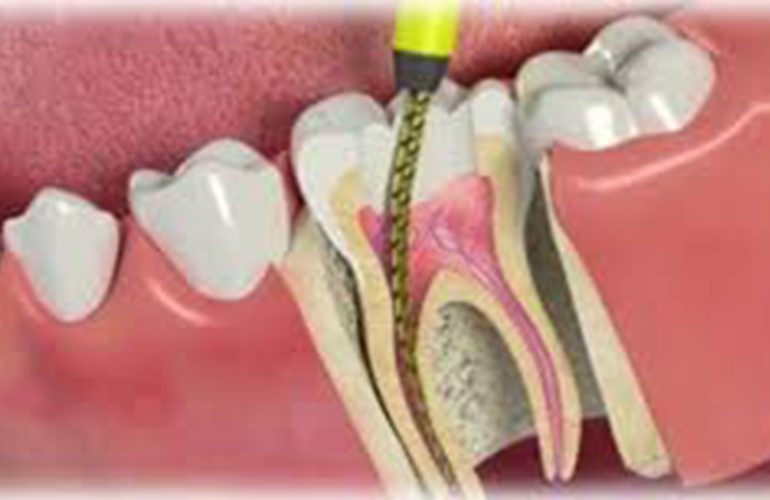
This is the most common type. Due to deep caries, trauma or a crack, bacteria reach the tooth’s pulp. Over time, the pulp tissue loses its vitality and the infection spreads from the root tip to the surrounding bone. The inflammation accumulating here leads to pressure and pain.
Periodontal (Gum) Abscess
It develops when the opening of a gum pocket in which bacteria and debris have accumulated closes. It is usually seen in people with advanced gum disease. In this type of abscess the tooth may be vital; the treatment approach differs from that for a root tip abscess.
The Symptoms of a Tooth Abscess
- Throbbing pain: Usually constant, severe pain that can spread to the ear, jaw or neck.
- Tenderness when biting: Pain that increases when the tooth is touched or when chewing; the tooth feeling raised.
- Swelling: Swelling of the gum, cheek, under the jaw or in the face.
- Fistula: A pimple-like bump on the gum through which the pus drains, which appears and disappears.
- Bad taste and odor: A salty or bad taste due to the pus draining into the mouth.
- General symptoms: Fever, weakness and enlarged lymph nodes under the jaw.
If the Pain Suddenly Went Away
The abscess draining through a fistula can cause the pain to ease suddenly by reducing the pressure. This does not mean that the infection has gone; as long as the source is not treated, the inflammation continues and recurs.
When Should You Seek Urgent Care?
Tooth-related infections can usually be managed by a dentist; however, some symptoms require urgent evaluation. If any of the following are present, it is recommended that you go to the nearest emergency department without losing time:
- Difficulty swallowing or breathing
- Rapidly spreading swelling of the face or neck, or swelling that reaches the area around the eye
- High fever and pronounced weakness
- Pronounced restriction in opening the mouth
How Is a Tooth Abscess Treated?
The basic aim of treatment is to eliminate the source of the infection and to allow the pus to drain. The method to be applied is determined according to the type of abscess and whether the tooth can be preserved.
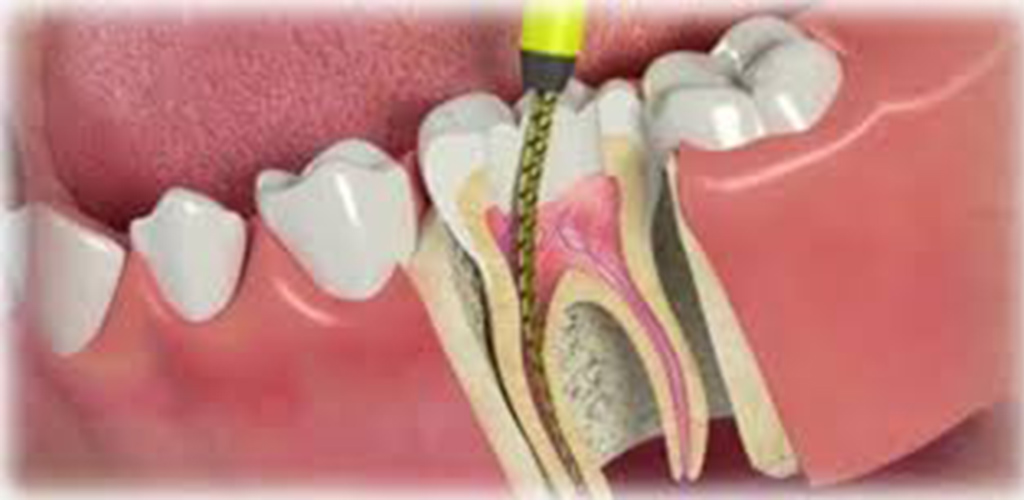
- Root canal treatment: In a root tip abscess, in cases where the tooth can be preserved, the infected pulp is removed and the canals are cleaned.
- Drainage: If there is pronounced swelling, a small incision may be made to drain the pus, or drainage may be achieved through the tooth.
- Periodontal treatment: In a gum abscess, the pocket is cleaned and the gum disease is included in the treatment plan.
- Extraction: In situations where the tooth is too damaged to be preserved, the source of the infection can be eliminated by extraction.
The Role of Antibiotics
Antibiotics may be prescribed as support for treatment when signs of spreading infection, fever or general health condition require it. However, they do not eliminate the source of infection inside the tooth or in the gum pocket. For this reason, complaints that go away with antibiotic use alone often return when the medication runs out. Unnecessary and uncontrolled use of antibiotics also contributes to the development of resistance; they should only be used on a physician’s recommendation.
What Can You Do Until Treatment?
- Reach the clinic: Book an appointment as soon as you notice the symptoms; waiting increases the risk of the infection spreading.
- Lukewarm salt water: Rinsing the mouth with lukewarm salt water can provide temporary relief.
- Do not apply heat: Avoid applying a hot compress to swelling on the face.
- Do not squeeze: Do not try to squeeze the bump on the gum or burst it with a needle.
- Medication: Limit painkiller use to the way your physician has previously recommended; do not start antibiotics on your own.
Is It Possible to Prevent a Tooth Abscess?
A significant proportion of tooth abscesses stem from caries and gum diseases that have remained untreated for a long time. Thanks to regular check-ups, caries can be treated with fillings before reaching the pulp, and gum pockets can be brought under control before they deepen. Evaluating teeth that have received an impact even if there is no pain, and not delaying the upper restoration of root-canal-treated teeth, are also important steps that reduce the risk of abscess.
Special Situations
During pregnancy, a tooth abscess is a situation that should not be postponed; the treatment and choice of medication are planned by the dentist taking the stage of pregnancy into account. In children, an abscess in a baby tooth should be evaluated early because it may affect the development of the permanent tooth coming from underneath. In patients with diabetes or conditions that suppress immunity, since infections can progress faster, it is important not to delay seeking care.
Frequently Asked Questions
No. When the abscess drains, the pain may decrease; however, as long as the source is not treated, the infection continues and recurs.
Antibiotics can temporarily ease the symptoms; however, dental treatment is needed to eliminate the source of the infection.
Not always. In teeth that can be preserved, the tooth can be saved with root canal treatment. The decision is made after the examination.
Go to your clinic as soon as possible. If the swelling is spreading rapidly, or if there is difficulty swallowing or breathing, go to the emergency department.
It is often a fistula, which is the drainage path of an infection. It needs to be evaluated even if there is no pain.
Time is important in tooth-related infections.
If you have noticed pain, swelling or a bump on your gum, contact us to book an appointment. Let us identify the source of the infection and create the plan to preserve your tooth together at DijiDent Oral and Dental Health Polyclinic.
This content is for general information purposes and does not replace an examination by a dentist. In case of difficulty breathing or swallowing, rapidly spreading swelling and high fever, the emergency department should be consulted.