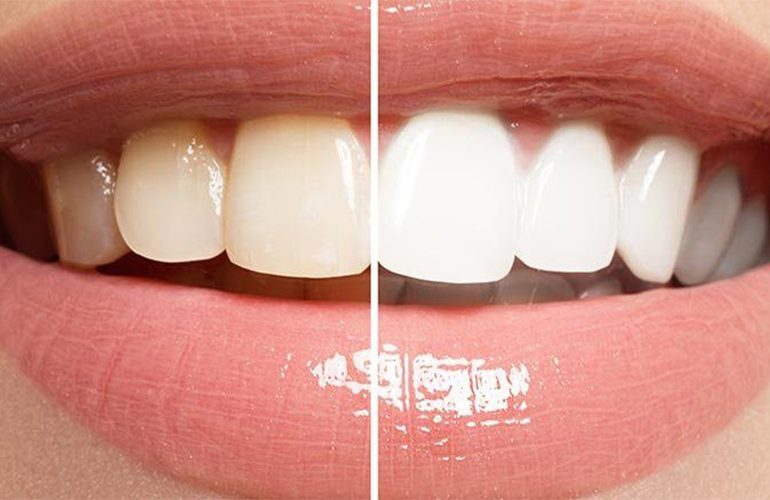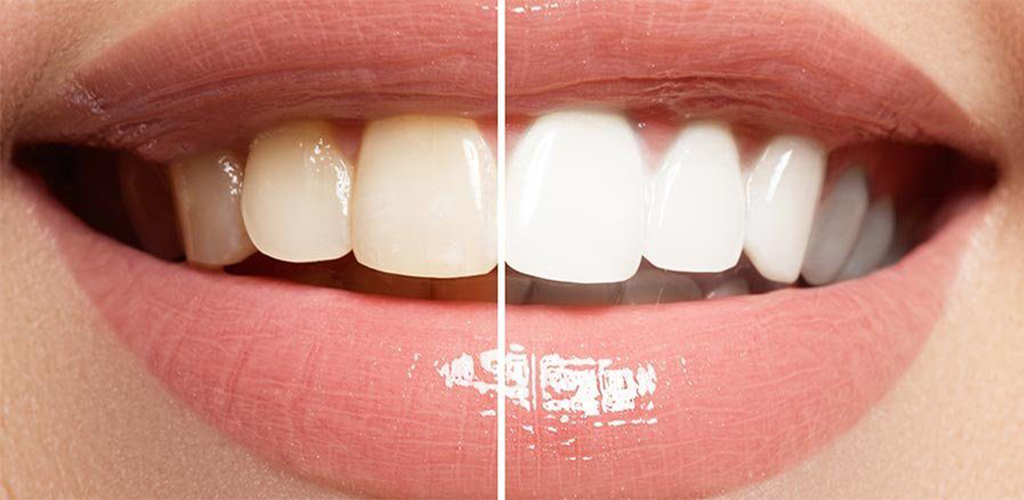
Dental cleaning and teeth whitening are two different procedures that are often confused with each other. While many people expect their teeth to whiten markedly after tartar cleaning, some think that whitening will clean away tartar and stains. Yet the aim, method and results of these two procedures are different. Knowing the difference between whitening and dental cleaning allows you to choose the procedure that suits your needs and set your expectations realistically. As DijiDent Oral and Dental Health Polyclinic, we plan both procedures for our patients in Türkiye according to their needs.
What Is Professional Dental Cleaning?
Professional dental cleaning is the removal, with special instruments, of plaque, tartar and surface stains accumulated on the surface of the teeth and at the gum margin. Tartar is generally cleaned with ultrasonic instruments, and then the teeth are polished. In some situations, surface stains can be removed more effectively with air-powder polishing methods.
Its Aim
- Oral health: Preventing gum diseases and caries.
- Removing surface stains: Reducing tea, coffee and cigarette stains.
- Revealing the true color of the teeth: The natural color beneath the stains and tartar becomes visible.
Does It Damage the Enamel?
Professional dental cleaning done with the correct technique is not expected to damage the enamel. Temporary sensitivity that may be seen after cleaning results from the surfaces under the tartar being exposed and usually passes in a short time. Neglecting tartar cleaning, on the other hand, can lead to much more serious problems such as gum disease and tooth loss.
What Is Teeth Whitening?
Teeth whitening is an aesthetic procedure that aims to lighten the natural color of the tooth by breaking down the color molecules in the internal structure of the tooth by means of peroxide-containing gels. It does not clean tartar or plaque; it changes the tooth’s own color.
Its Aim
- Aesthetics: Lightening the natural color of the teeth by a few shades.
- Reducing intrinsic discolorations: Removing age-related yellowing and discolorations that have settled into the enamel.
The Basic Differences
- Area of effect: Cleaning affects deposits on the surface, whitening affects the internal color of the tooth.
- Aim: Cleaning is primarily for health, whitening is for aesthetics.
- Result: Cleaning reveals the true color of the teeth; whitening lightens this color.
- Frequency: Cleaning is generally recommended at regular intervals; whitening is done as needed.
- Suitability: Cleaning is suitable for almost everyone; certain conditions are required for whitening.
In What Order Should They Be Done?
If you are considering whitening, professional cleaning is generally done first. The reasons for this are:
- Even effect: Tartar and plaque prevent the whitening gel from making even contact with the tooth.
- Seeing the true color: After cleaning, the true color of the teeth emerges; in some patients, this color may meet expectations.
- Gum health: Inflamed gums are more sensitive to whitening gel.
- Correct planning: After cleaning, the type of the remaining discoloration is evaluated more clearly.
This sequence both increases the effectiveness of whitening and prevents unnecessary applications.
Can They Be Done on the Same Day?
Since mild sensitivity and irritation may be seen in the gums after cleaning, it is generally recommended that whitening be done a few days later. This period helps the gums heal and reduces the risk of irritation during whitening. In situations such as light cleaning and polishing, your dentist may recommend a different timing.
If there is mild sensitivity in your gums after cleaning, it usually passes in a short time. If whitening is planned, this waiting period is determined by your dentist.
Which One Do You Need?
- If you have tartar and surface stains on your teeth: Professional cleaning is the first step.
- If the overall color of the teeth still looks yellow after cleaning: Whitening can be considered.
- If there is gum bleeding or inflammation: Cleaning and gum treatment are needed first.
- If there is a color change in a single tooth: A special evaluation is needed; different methods such as internal whitening may be considered.
Maintaining Whiteness and Cleanliness
To maintain the results of both procedures, brushing twice a day with fluoride toothpaste, interdental cleaning, limiting coloring habits and regular check-ups are recommended. Regular professional cleaning can also reduce the need for touch-ups after whitening.
How Often Should Cleaning Be Done?
The frequency of professional dental cleaning varies from person to person according to the rate of tartar formation, gum health, smoking and general oral care. While one cleaning a year may be sufficient for some people, more frequent cleaning may be recommended for people with fast tartar formation or a history of gum disease. The check-up interval is determined by your dentist.
Let Us Decide Together
At DijiDent, we determine which procedure you need with an examination and color analysis, and if necessary, we create a plan that suits you, with cleaning first and whitening afterwards.
Frequently Asked Questions
It removes surface stains and reveals the true color of the teeth; however, it does not change the internal color.
Cleaning is generally done first; whitening is then planned if necessary.
When done with the correct technique, it is not expected to cause damage.
It is generally recommended that they be done a few days apart so that the gums can heal.
Surface stains often decrease with cleaning; whitening can be considered for the remaining color.
Let us determine the procedure that suits your needs together.
Contact us to book an appointment to have your need for dental cleaning or whitening evaluated. Let us carry out your examination and color analysis at DijiDent Oral and Dental Health Polyclinic.
This content is for general information purposes and does not replace an examination by a dentist. The treatment plan is determined by the dentist after the examination.