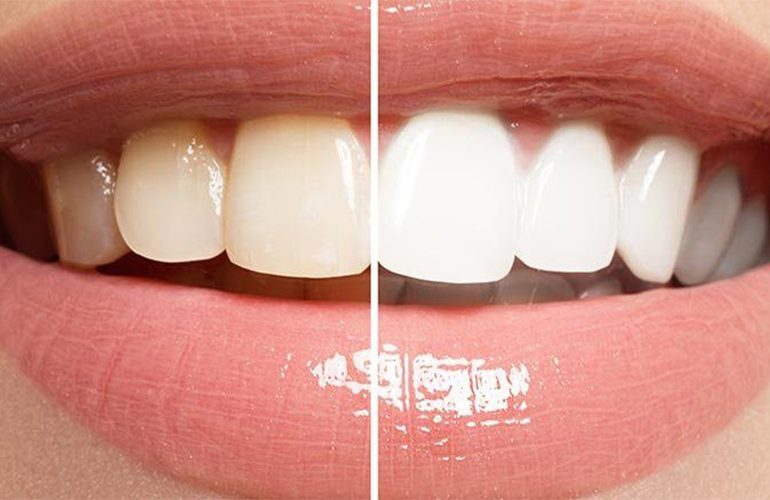
During pregnancy, many women may want a brighter smile while preparing for special occasions. However, teeth whitening is among the aesthetic procedures that are generally not recommended during pregnancy and breastfeeding. This recommendation is a precautionary approach made not because whitening has a proven harm, but because of the lack of sufficient safety data for these periods and because the procedure is not a medical necessity. Knowing the recommendations about teeth whitening during pregnancy and the right timing allows you to make informed decisions for both your health and your baby’s health. As DijiDent Oral and Dental Health Polyclinic, we recommend that expectant mothers in Türkiye prioritize protecting their oral health during this period.
Why Is It Not Recommended?
Lack of Sufficient Safety Data
There is not enough research on the effects of substances used in whitening products, such as hydrogen peroxide and carbamide peroxide, during pregnancy and breastfeeding. For ethical reasons, it is also not possible to conduct controlled studies on pregnant women on this topic. Because of this uncertainty, postponing this aesthetic procedure, which is not a medical necessity, is considered the safest approach.
It Is an Aesthetic Procedure
Whitening is not a health necessity but an aesthetic choice. Postponing it for a few months does not lead to any health problem. For this reason, the risk-benefit balance favors postponement.
Increased Sensitivity
During pregnancy, hormonal changes can make the gums more sensitive and prone to inflammation. Contact of the whitening gel with the gums can increase irritation during this period. In addition, tooth sensitivity that may be seen during pregnancy can combine with post-whitening sensitivity and reduce comfort.
Those Who Find Out They Are Pregnant During Whitening
It is natural for women who find out they are pregnant after having whitening done to feel anxious. In applications done under a dentist’s supervision, the whitening agent is used for a short time and in a limited amount. In such a situation, it is recommended that the application be paused and that both your dentist and your obstetrician be informed. Talking with your obstetrician about your concerns is the most correct approach.
Whitening Toothpastes and Mouthwashes
A significant portion of whitening toothpastes contain ingredients aimed at reducing surface stains instead of peroxide. However, some products may contain small amounts of peroxide. During pregnancy, it is recommended to use standard fluoride toothpaste instead of such products and to consult a dentist about the use of special products.
Changes in Tooth Color During Pregnancy
During pregnancy, contact of the enamel surface with acid due to nausea and vomiting, changes in eating habits and increased plaque accumulation due to gum inflammation can cause the teeth to look duller or stained. Such surface changes can often be removed not with whitening but with professional dental cleaning and good oral care.
What Can Be Done Safely During Pregnancy
- Professional dental cleaning: Cleaning of tartar and surface stains can be done safely during pregnancy and also contributes to gum health.
- Regular oral care: Brushing twice a day with fluoride toothpaste and interdental cleaning.
- Care after vomiting: Rinsing the mouth with water and waiting a while instead of brushing immediately after vomiting.
- Limiting coloring habits: Reducing tea and coffee consumption can be beneficial for both tooth color and pregnancy health.
- Check-ups: At least one dental check-up is recommended during pregnancy.
Whitening While Breastfeeding
Due to a similar precautionary approach, postponing whitening during breastfeeding is also generally recommended. There is not enough data on whether whitening agents pass into breast milk. After the breastfeeding period is completed, whitening can be safely planned.
The Right Timing
For women planning a pregnancy, the most suitable time is the period before becoming pregnant. Whitening can be done during this period and can also be planned together with a comprehensive pre-pregnancy dental check-up. Whitening can also be done safely after the pregnancy and breastfeeding periods are over. Waiting for a while after giving birth for the gums to return to normal from hormonal changes can also be beneficial.
Prioritizing Gum Health During Pregnancy
Bleeding and swelling of the gums are common during pregnancy. This condition is called pregnancy gingivitis and can be brought under control through good oral care and professional cleaning. Healthy gums also contribute to a whitening procedure after giving birth being more comfortable. For this reason, focusing on gum health rather than aesthetic expectations during pregnancy is a more correct approach in the long term for both health and aesthetics.
Our Approach for Expectant Mothers
At DijiDent, during pregnancy we focus on protecting oral health rather than aesthetic procedures and plan the necessary treatments in harmony with your obstetricians. After giving birth and breastfeeding, we evaluate your aesthetic expectations, including whitening, together.
Frequently Asked Questions
It is generally not recommended; because there is not enough safety data, it is postponed until after giving birth.
As a precaution, postponing it until after the breastfeeding period is generally recommended.
Pause the application and inform your dentist and your obstetrician.
Yes. Professional dental cleaning can be done safely during pregnancy and contributes to gum health.
The period before pregnancy, or after the pregnancy and breastfeeding periods are over.
Health first, then aesthetics.
Contact us to book an appointment to protect your oral health during pregnancy or to plan whitening after giving birth. Let us determine the timing that suits you together at DijiDent Oral and Dental Health Polyclinic.
This content is for general information purposes and does not replace an examination by a dentist. All treatment decisions during pregnancy and breastfeeding should be made together with your physician.