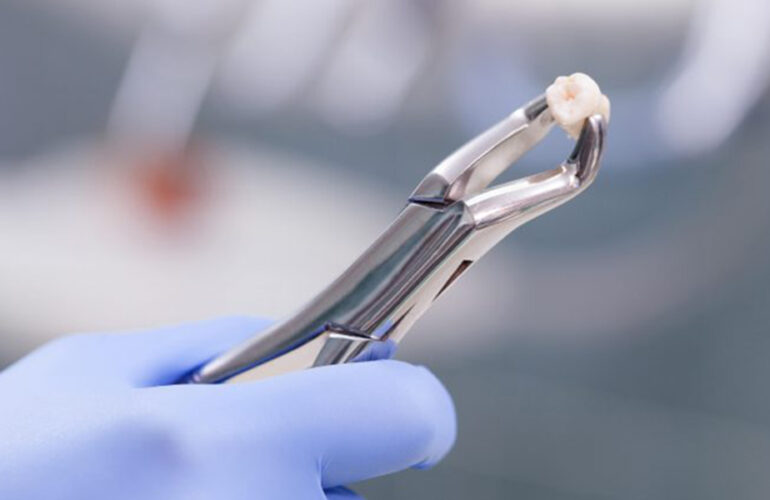
Patients have many questions on their minds before and after intraoral surgical procedures such as tooth extractions, impacted tooth operations, cyst surgery and implant placement. These questions are often about how daily life will be affected, how healing will progress and which symptoms are considered normal. Under the heading of oral surgery frequently asked questions, we have brought together the questions we hear most often from our patients. As DijiDent Oral and Dental Health Polyclinic, we conduct the surgical processes of our patients in Türkiye with an information-focused approach.
Before the Procedure
What should I do before the procedure?
Report all the medications you use, your chronic illnesses, your allergies and your pregnancy status to your dentist. Continue using your regular medications unless your dentist says otherwise. For procedures to be done with local anesthesia, it is recommended that you come having had a light meal. If sedation is planned, follow the fasting and companion instructions given to you.
How long does the procedure take?
A simple extraction takes a short time; procedures such as impacted tooth, cyst or implant surgery may take longer depending on the scope of the procedure. Your dentist shares the time anticipated for you in advance.
I am anxious; what can I do?
Share your anxiety with your dentist. The procedure is explained step by step, breaks are given, and a signal is agreed on so that you can pause at any moment you wish.
During the Procedure
Will I feel pain?
Pain is not expected to be felt under local anesthesia; pressure, vibration and movement may be felt. If you feel pain, simply say so; additional anesthesia can be applied.
Can I be put to sleep?
Most procedures can be done comfortably with local anesthesia. For intense anxiety or extensive procedures, sedation or general anesthesia options can be considered under appropriate conditions.
Daily Life After the Procedure
Can I drive myself home?
If only local anesthesia was applied and you feel well, you can usually drive. If sedation was applied, you must not drive on the same day and must return home with a companion.
When can I return to work or school?
After simple extractions, most people can return to their daily lives the next day. After surgical procedures such as impacted teeth, resting for the first two or three days, when swelling is most pronounced, may be recommended. For physically demanding jobs, this period may be longer.
When can I exercise?
In the first days, avoiding intense exercise, heavy lifting and activities that require bending over is recommended; these activities can increase bleeding and swelling. Light walks can usually be started after a few days. Consult your dentist about returning to intense training.
When can I travel or fly?
After standard extractions, waiting a few days is generally recommended. After procedures involving the sinus region, it may be necessary to wait longer. Share your flight plan with your dentist.
The Healing Process
How long do swelling and pain last?
Swelling is usually most pronounced on the second and third days and then decreases. Pain is more pronounced in the first one or two days. Intermittent cold application on the first day, keeping the head elevated and the medications recommended by the dentist provide relief.
What can I eat?
After the anesthesia wears off, start with lukewarm-cold and soft foods. Avoid hard, crumbly, sticky and very hot foods in the first days. Do not use a straw.
Can I brush my teeth?
Continue to brush your other teeth gently; do not brush the procedure area on the first day. From the second day onward, clean gently as your dentist recommends.
Can I smoke?
Smoking increases the risk of bleeding, dry socket, infection and delayed healing. It is recommended that you stay away from smoking for as long as possible before and after the procedure.
When will my stitches be removed?
Dissolving stitches come undone on their own; non-dissolving stitches are usually removed at the check-up appointment between one week and ten days.
Is it normal to see a white layer at the procedure site?
A whitish layer forming at the extraction site during the healing process is common and is often normal. If it is accompanied by a bad odor, increasing pain or discharge, contact the clinic.
Which Symptoms Are Urgent?
Contact your clinic in the following situations:
- Bleeding that does not stop despite proper pressure
- Swelling or pain that increases after the third day
- Fever, a bad odor and purulent discharge
- Numbness that does not go away
- Fluid coming from the nose or a feeling of air passing between the mouth and nose
In the event of difficulty breathing or swallowing, rapidly spreading facial or neck swelling and uncontrollable bleeding, go to the nearest emergency department without losing time.
Next Steps
After the extraction, implant, bridge or prosthesis options and their timing for replacing the missing tooth are planned together with your dentist. Check-up appointments are important both for evaluating healing and for carrying out this planning. At DijiDent, we are by your side at every stage of the surgical process to answer your questions and follow your healing.
Frequently Asked Questions
Usually the next day after simple extractions; a few days of rest may be recommended after surgical extractions.
Generally yes if only local anesthesia was applied; you should not drive on the same day after sedation.
Avoid intense exercise in the first days; consult your dentist about when to return.
Difficulty breathing or swallowing, rapidly spreading swelling and uncontrollable bleeding are emergencies.
Yes. The check-up is important for evaluating healing and planning subsequent treatments.
We are here for all your questions.
Contact us to book an appointment to ask the questions on your mind about oral and dental surgery and to plan your treatment. Let us keep you informed at every stage of the process at DijiDent Oral and Dental Health Polyclinic.
This content is for general information purposes and does not replace an examination by a dentist. Recommendations specific to your procedure are given separately by your dentist. In the case of urgent symptoms, call 112 or go to the nearest emergency department.