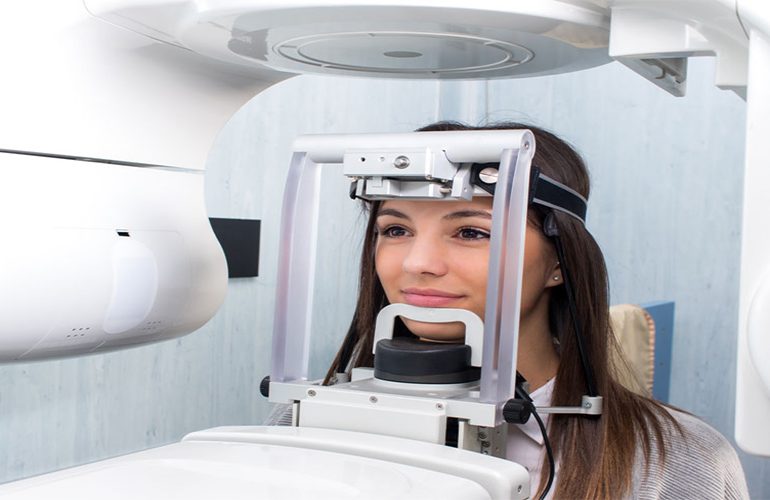
Oral health during pregnancy is a subject that is often postponed but actually should not be. Hormonal changes increase the gums’ response to inflammation; nausea and stomach acid can affect the enamel surface; changes in eating patterns can raise the risk of caries. Nevertheless, many expectant mothers hesitate to go to the clinic because of uncertainty about dental X-rays and treatment during pregnancy. As DijiDent Oral and Dental Health Polyclinic, in Türkiye we offer our pregnant patients an approach that allows them to make decisions in harmony with their obstetrician and with transparent information.
The General Approach to Imaging in Pregnancy
The basic rule is this: elective, that is, non-urgent, imaging is postponed until after pregnancy. However, if there is an emergency, treating without a diagnosis is also a risk. An untreated infection can affect both the mother’s general health and the course of pregnancy. For this reason, the decision is made by comparing the risk of postponement with the risk of imaging.
In dental imaging, the beam is directed to the head region and its field is limited. Nevertheless, imaging during pregnancy is only done if truly necessary and is applied with the lowest possible dose and the narrowest field. Films for routine check-up purposes are not preferred during pregnancy.
Be Sure to Inform Your Dentist
You should report at the start of the examination that you are pregnant or that there is a possibility of pregnancy. This information directly affects the imaging decision, the choice of medication and the timing of treatment. Even when you are not sure, it is best to share it.
Which Period Is Most Suitable for Treatment?
The general consensus is that routine dental treatments can be performed more comfortably in the second trimester. In the first trimester, non-urgent procedures are postponed because of nausea complaints and organ development. In the last trimester, remaining in the supine position for a long time can reduce comfort; during this period procedures are kept short and relief is provided through changes of position.
On the other hand, emergencies are evaluated regardless of timing. Severe pain, abscess, swelling in the facial region and bleeding that cannot be stopped are conditions that require you to seek care without delay, whatever month of pregnancy you are in.
The Most Common Oral Problems in Pregnancy
- Pregnancy gingivitis: Redness and swelling of the gums and bleeding when brushing. Efforts are made to bring it under control with regular cleaning and professional evaluation.
- Enamel erosion: In expectant mothers who experience frequent nausea, stomach acid can affect the enamel. Instead of brushing immediately after vomiting, rinsing the mouth with water and waiting for a while is recommended.
- Increased caries risk: Frequent small meals, sugary snacks and reduced oral care increase the risk.
- Gum enlargement: In some expectant mothers, benign tissue growths that generally regress after delivery may be seen.
Daily Care Recommendations
Brushing twice a day with a soft brush, using dental floss and choosing a toothpaste whose fluoride content is deemed suitable by your dentist are the basic steps. If your gag reflex has increased, a brush with a smaller head can make things easier. Even if you have no complaints, having one check-up examination during pregnancy allows problems to be caught while they are small.
Frequently Asked Questions
No, but elective imaging is postponed. In situations requiring urgent diagnosis, it can be applied with the necessary protective measures and limited to a narrow field. The decision is made by your dentist, if necessary after consulting your obstetrician.
It can be applied with a suitable agent and dose after evaluation by the dentist. Undergoing a procedure in pain is a more stressful option than avoiding anesthesia. The choice of medication is always determined by your dentist.
It can be done in emergencies; non-urgent extractions are planned for after delivery. The evaluation is individual.
It is common, but it should not be accepted as “normal” and ignored. The aim is to bring the condition under control with professional cleaning and correct home care.
Medication use during pregnancy must always be on the recommendation of a doctor. Taking medication on your own decision is not recommended; if you have pain, contact your clinic directly.
Whitening for aesthetic purposes is not recommended during pregnancy and is planned for after delivery.
Postponing oral health during pregnancy makes the problem bigger.
Let us create a plan suited to your pregnancy for gum bleeding, pain or a general check-up. Contact us to book an appointment; let us carry out an evaluation at DijiDent Oral and Dental Health Polyclinic with an approach that prioritizes the safety of both you and your baby.
This content is for general information purposes and does not replace an examination by a dentist. During pregnancy, all treatment and medication decisions should be made through the joint evaluation of your dentist and your obstetrician.