She wonders whether the belief that root-canal-treated teeth break because they dry out is true.
- Fatih (43), who feels sharp pain when chewing: He suspects there is a crack in his root-canal-treated tooth.
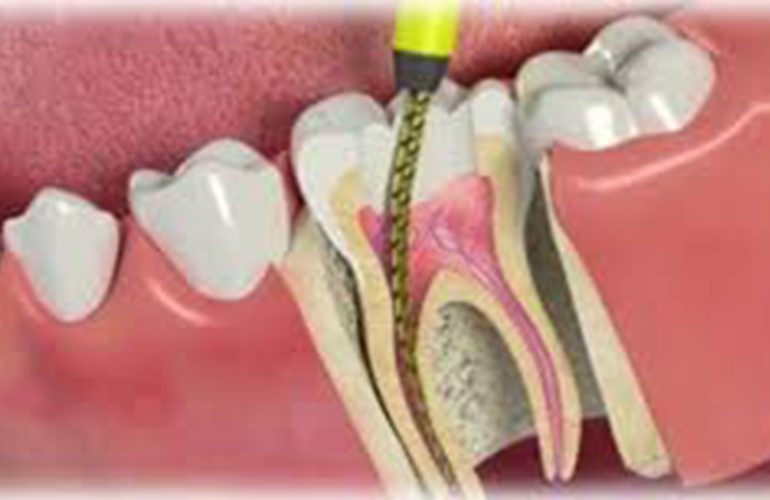
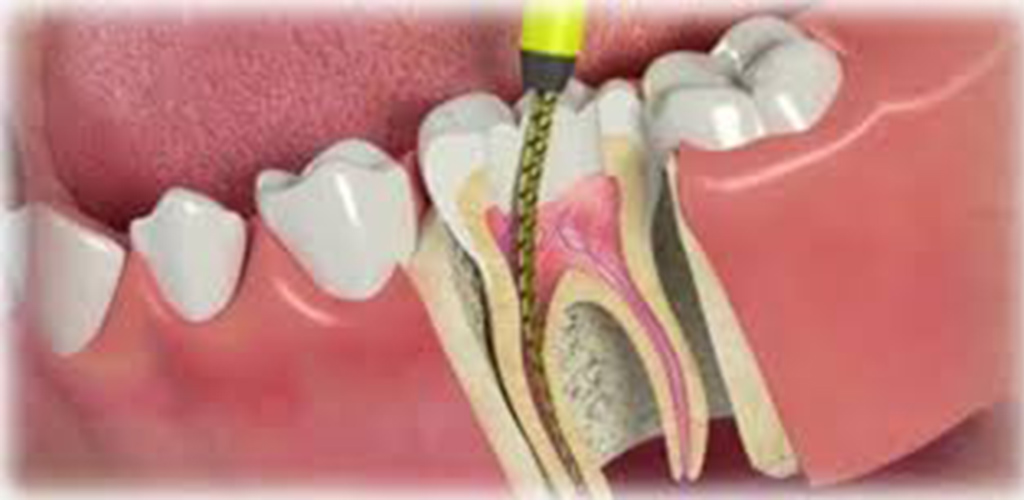
Root canal treatment allows the tooth to stay in the mouth by eliminating the infection. However, the structure of the treated tooth may, in some cases, become more vulnerable to chewing forces, especially in the back region. The answer to the frequently asked question of whether root-canal-treated teeth break depends on the tooth’s restoration, its position and the person’s habits. Knowing the risk and taking the right precautions helps the tooth function for many years. As DijiDent Oral and Dental Health Polyclinic, we offer our patients in Türkiye clear and practical recommendations on this subject.
Why Might Root-Canal-Treated Teeth Be Prone to Fracture?
For many years, it was thought that root-canal-treated teeth became brittle by drying out because the pulp had been removed. Current information, however, shows that the main cause is largely the loss of tooth tissue. In teeth needing root canal treatment, a significant amount of tissue has often already been lost due to deep caries, large fillings or previous fractures. The access cavity opened to reach the canals can also reduce the tooth’s resistance to chewing forces.
In addition, the disappearance of the protective sensory mechanism provided by the living pulp may cause the person to notice later when they bite something hard with this tooth and to apply more force to the tooth.
In Which Teeth Is the Risk Higher?
- Molars: Since they carry most of the chewing force, their risk of fracture is higher than that of front teeth.
- Teeth whose cusps are not protected: In molars restored only with a filling without the chewing surface being covered, the cusps may separate over time.
- Teeth with very little healthy tissue remaining: Teeth whose walls have thinned can crack more easily under force.
- Teeth clenching and grinding: Excessive and repeated forces significantly increase the risk of fracture.
- Teeth serving as bridge or prosthesis abutments: Restoration planning is especially important for teeth carrying additional load.
When these risk factors come together, the likelihood of fracture increases even further.
Types of Fracture
Cusp Fracture
This is the fracture of one of the protrusions on the chewing surface of the tooth. If the fracture is above the gum level, the tooth can often be restored with an onlay or crown.
Fractures Extending Below the Gum Level
If the fracture has progressed below the gum or bone level, additional procedures may be needed for a restoration to be possible. Depending on the depth of the fracture, options such as gum correction procedures or pulling the tooth upward with orthodontic methods can be considered.
Vertical Root Fracture
These are fractures that affect the root along its length. They usually start without pronounced symptoms; sensitivity when chewing, recurring swelling, a fistula on the gum and a deep gum pocket at a single point of the tooth may be seen. Diagnosis can be difficult, and three-dimensional imaging and clinical examination are evaluated together. In vertical root fractures, preserving the tooth is often not possible.
What Can Be Done to Prevent Fracture?
Do Not Delay the Permanent Restoration
Leaving the tooth with a temporary filling for a long time after root canal treatment is one of the main factors that increase the risk of fracture. It is recommended that the permanent restoration be done as soon as possible.
A Restoration That Protects the Cusps
In molars, restorations that cover the chewing surface, such as onlays or crowns, help reduce the risk of fracture by holding the tooth together and distributing forces more evenly. In front teeth, a filling is often sufficient if structure loss is minor.
Care in the Use of Intracanal Posts
A post placed in the canal does not strengthen the tooth; it only provides retention for the restoration. Unnecessary or excessively thick post use can weaken the root. For this reason, a post is preferred only when necessary and in a suitable size.
Daily Habits
- Do not bite hard objects: Stay away from hard objects such as ice, nut shells, pens and bottle caps.
- Control teeth clenching: If you have signs of teeth clenching or grinding, consult your dentist about a night guard.
- Do not miss check-ups: It is important that cracks and caries at the restoration margins are noticed early.
Warning Signs
Sharp pain that appears at a specific point when biting on a root-canal-treated tooth, a feeling that a piece of the tooth is moving, a line or gap visible at the restoration margin and recurring swelling around the same tooth are signs that should be evaluated for a crack or fracture. In cusp cracks noticed early, the tooth can be protected with a suitable restoration before the fracture progresses.
What Happens If a Root-Canal-Treated Tooth Breaks?
Whether a broken tooth can be saved depends on the direction and depth of the fracture. In fractures above the gum level, the tooth can often be restored. In fractures that affect the root along its length, extraction followed by options such as an implant or bridge are discussed. Keeping the broken piece and going to the clinic as soon as possible makes the evaluation easier.
Frequently Asked Questions
The main cause is the loss of tooth tissue due to caries and previous restorations. A suitable upper restoration helps reduce the risk.
This is a common belief; current information shows that the real factor is tissue loss.
The risk of fracture may increase, especially in molars. The type of restoration is determined according to the condition of the tooth.
Symptoms such as sensitivity when chewing, recurring swelling and a fistula may be seen. The diagnosis is made by examination and imaging.
It depends on the direction and depth of the fracture. Fractures above the gum can often be restored.
Protect your root-canal-treated tooth for many years.
Contact us to book an appointment to evaluate the restoration status and fracture risk of your root-canal-treated teeth. Let us create a personalized protection plan for you at DijiDent Oral and Dental Health Polyclinic.
This content is for general information purposes and does not replace an examination by a dentist. The choice of restoration and the treatment plan are determined after the clinical evaluation.