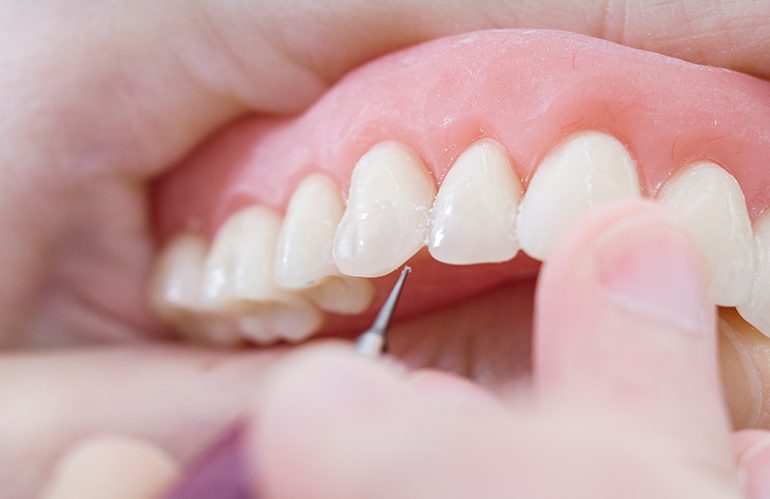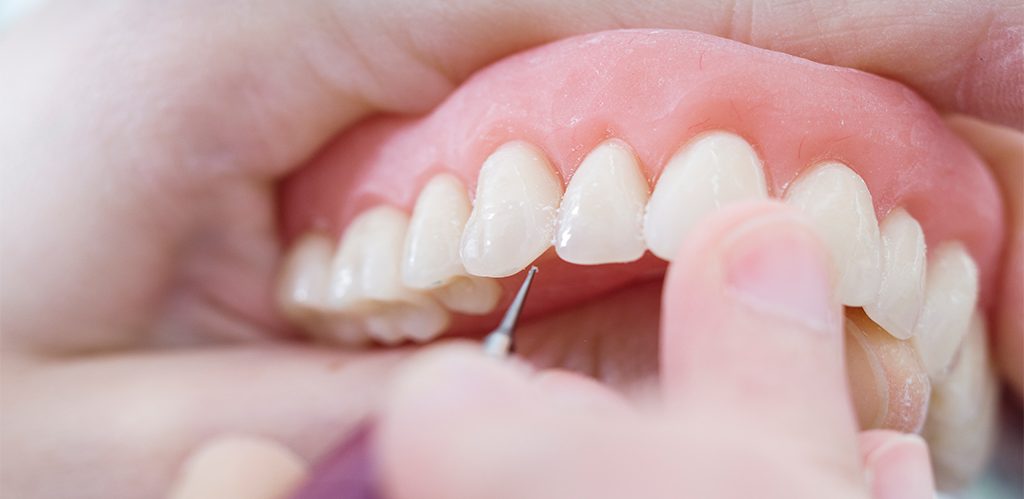
When a prosthesis is delivered, the treatment seems to be completed. Yet a prosthesis is a structure that is in constant interaction with the oral tissues and changes over time. The bone underneath changes, the material wears and the tissues react. A prosthesis check-up examination allows these changes to be noticed early. As DijiDent Oral and Dental Health Polyclinic, in Türkiye we consider follow-up to be the continuation of treatment.
I Have No Complaints; Is It Still Necessary?
This is the question we hear most often, and the answer is clear: yes. In prosthesis use, a significant proportion of problems progress without pain. Palatal inflammation often causes no pain. Bone loss continues silently. In partial denture wearers, caries in the abutment teeth may not be noticed until it reaches an advanced stage. Changes in the tissues in the mouth may also not give symptoms in the early period.
When a complaint appears, the situation usually requires a more comprehensive intervention. The value of regular check-ups is catching the problem while it is small.
What Is Done at a Check-Up?
- Evaluation of the prosthesis fit: Retention, movement and pressure points are examined.
- Bite check: Whether chewing forces are distributed evenly is evaluated.
- Examination of the oral tissues: The gums, palate, tongue, inner cheeks and floor of the mouth are examined.
- Check of the remaining teeth: In partial dentures, the abutment teeth and gum health.
- Condition of the prosthesis: Checking for cracks, wear, staining and deposits.
- Professional cleaning: Removal of deposits that cannot be removed at home.
- Refreshing care training: Reviewing habits.
The Importance of Examining the Oral Tissues
This step should be emphasized in particular. Patients who use prostheses are usually in the older age group, and regular dental examination is valuable for the early detection of changes in the oral tissues. Non-healing sores, color changes or hardened areas can be detected in these examinations. From this point of view, the thought of a person with a prosthesis that “I have no teeth anymore, I don’t need to go to the dentist” is a risky approach.
How Is the Frequency Determined?
It would not be right to give a single standard interval; the frequency is determined individually. The decisive factors are:
- The type and age of the prosthesis
- The number of remaining natural teeth
- Gum health and caries risk
- General health condition and medications used
- Oral care habits and manual dexterity
- Smoking
- The presence of implants
As a general approach, at least one check-up a year is recommended; in patients with risk factors, this interval is shorter. In the period when a new prosthesis is delivered, several check-ups are planned in the first weeks.
What Should You Bring to the Check-Up?
It is essential that you come wearing the prosthesis you use. We also recommend that you bring your spare prosthesis if you have one, the cleaning products you use and your current medication list. Noting the changes you have noticed recently (sores, redness, change in taste, weight loss) increases the efficiency of the examination.
For Implant-Supported Prostheses
The tissues around implants require extra care. In these patients, check-ups are usually planned at shorter intervals. During the examination, screw tightness, the condition of the attachments, bite contacts and the health of the tissue around the implant are evaluated. In screw-retained systems, the ability to remove the prosthesis for detailed cleaning is an important advantage.
Situations That Lengthen and Shorten the Check-Up Interval
In patients with regular oral care who do not smoke, have no systemic disease and have a well-fitting prosthesis, check-ups can be planned less frequently. On the other hand, diabetes, the use of medications causing dry mouth, smoking, frequent sore formation or the presence of many natural teeth require the interval to be shortened. For this reason, the frequency is determined individually.
If You Live Far Away
For our patients who live outside the city or abroad, the check-up plan is designed accordingly. Comprehensive check-ups timed to coincide with visit periods and evaluations that can be done in between by a local dentist can be planned together. What matters is that follow-up is not completely interrupted.
Frequently Asked Questions
You are not considered too late. The current situation is evaluated and, if necessary, relining or renewal is planned.
Generally at least once a year; your dentist determines the frequency according to your risk status.
A routine check-up is painless; if necessary, a small adjustment or cleaning is done.
Yes, be sure to come wearing it. The fit can only be evaluated in the mouth.
Small problems can grow; an ill-fitting prosthesis can accelerate bone loss.
It is useful to bring it if you have one; a comparative evaluation can be made.
Do not neglect your check-up appointment even if you have no complaints.
Let us regularly evaluate the fit of your prosthesis and the health of your oral tissues. Contact us to book an appointment; let us create your follow-up program at DijiDent Oral and Dental Health Polyclinic.
This content is for general information purposes. The check-up frequency is determined by your dentist according to the clinical situation.