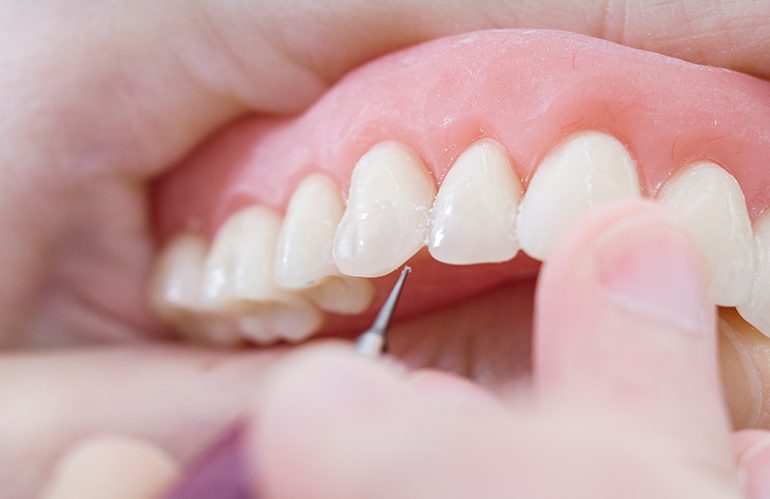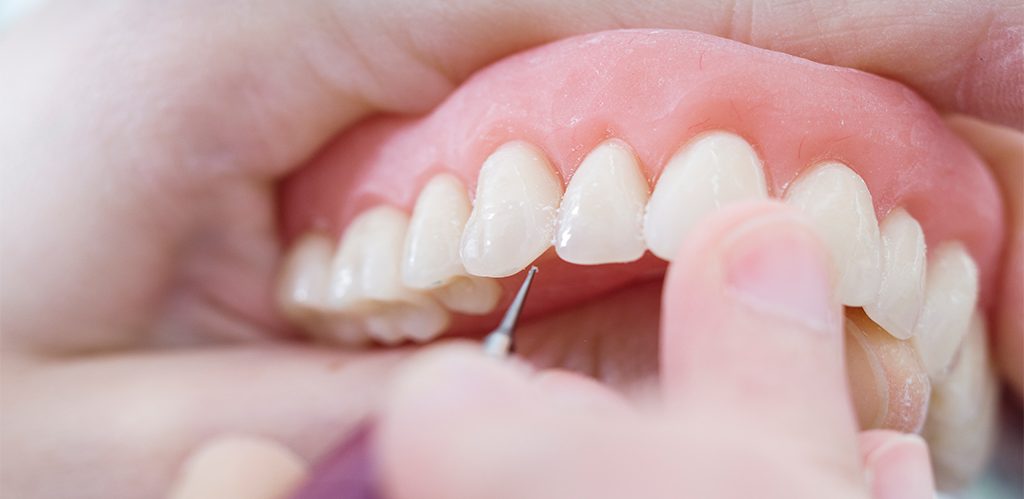
Prostheses do not decay like natural teeth; however, plaque and microorganisms accumulate on their surfaces. This build-up can lead to bad breath, gum inflammation and a risk of caries in the remaining natural teeth. Prosthesis cleaning is the habit that determines the success of the treatment in the long term. As DijiDent Oral and Dental Health Polyclinic, in Türkiye we also provide care training when delivering the prosthesis; this guide has been prepared to remind you of that information.
Daily Cleaning Steps
- After every meal: Remove the prosthesis and rinse it under water.
- At least once a day: Brush all surfaces with a soft denture brush.
- Do not forget the inner surface: The surface in contact with the gums is where plaque accumulation is most intense.
- Clasps and attachments: In partial dentures, these areas should be cleaned separately.
- Clean your mouth too: After removing the prosthesis, brush your gums and tongue with a soft brush.
- Remaining teeth: If you use a partial denture, brush your natural teeth normally and use floss.
Preventing Drops
The prosthesis may slip from your hand during cleaning and may break if it falls onto a hard surface. Filling the sink with water or laying a towel inside the sink is a simple but effective precaution.
What Should You Avoid?
- Regular toothpaste: Its abrasive content may create micro-scratches on the prosthesis surface. These scratches increase staining and plaque adhesion over time. Products suitable for prosthesis cleaning should be preferred.
- Hot water: It may distort the shape of the prosthesis. Lukewarm or cold water should be used for cleaning.
- Bleach and household chemicals: They should never be used. They damage metal parts and are risky for tissues.
- Hard brushes: They scratch the surface. A soft-bristled brush is sufficient.
- Leaving the prosthesis dry: Acrylic that dries out for a long time may become deformed. When removed, it should be stored as your dentist recommends.
Cleaning Tablets
Effervescent denture cleaning tablets are a method that complements brushing; they do not replace brushing. The time indicated on the product should be followed, and the prosthesis should be rinsed thoroughly with water after being taken out of the tablet solution. Not every product may be suitable for prostheses with metal parts; it is recommended that you consult your dentist.
Additional Weekly Care
In addition to daily brushing, a more detailed cleaning once a week is recommended. During this, the attachment areas, the edges of the prosthesis and the recesses on the inner surface are checked separately. If you notice a whitish hard deposit on the surface, this is a formation similar to tartar and may require professional cleaning.
Night-Time Use and Palatal Health
It is generally recommended to remove the prosthesis at night to allow the tissues to rest. In prostheses that are left in constantly, redness and fungal inflammation may develop in the palatal area. This condition is often painless; the patient may not notice it. If you see persistent redness on your palate, an evaluation is needed.
Staining and Tartar
Over time, stains from tea, coffee and smoking and hard deposits may form on the prosthesis surface. These cannot be completely removed at home. Professional cleaning done at check-up appointments cleans the surface without damaging it. Do not use sandpaper, knives or abrasive powders on your own; once the surface is damaged, plaque adhesion increases permanently.
Protecting the Remaining Natural Teeth
In patients who use partial dentures, the most critical issue is the health of the remaining natural teeth. Plaque accumulation increases in the areas where the denture makes contact and where the clasps hold. Caries or gum disease developing in these teeth may require the entire denture to be renewed. For this reason, brushing the natural teeth and using floss should not be neglected any more than cleaning the prosthesis.
Additional Steps for Implant-Supported Prostheses
The attachment areas and implant abutments should be cleaned separately. Interdental brushes and special floss are used for these areas. In fixed implant-supported prostheses, cleaning the surface underneath is critically important; your dentist will show you the appropriate tool.
Frequently Asked Questions
Denture brushes are designed to clean larger surfaces and the inner area; they make use easier.
It is not recommended. The abrasive content may scratch the surface; products suitable for prostheses should be preferred.
It is recommended that it not be left dry; your dentist will specify the storage method.
Professional cleaning may be needed. Do not use abrasive methods on your own.
An uncleaned prosthesis can cause odor; however, other causes should also be evaluated.
Regular check-ups are recommended even if you have no complaints; your dentist determines the frequency.
Correct care extends the life of your prosthesis.
Plan your check-up appointment for the cleaning and fit of your prosthesis and the condition of your oral tissues. Contact us; let us continue your care together at DijiDent Oral and Dental Health Polyclinic.
This content is for general information purposes. Care recommendations may vary according to the type of prosthesis; follow your dentist’s instructions.