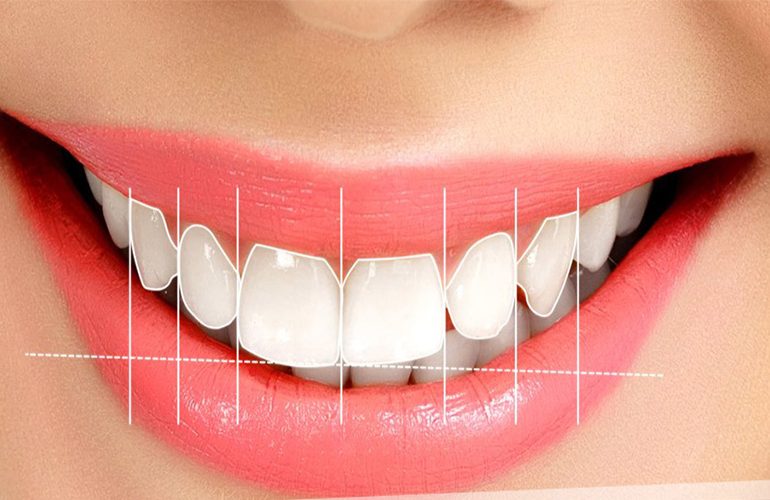
When aesthetic dental treatment is mentioned, crowns are usually the first thing that comes to mind. However, in many cases a result can be achieved with a more limited intervention. Composite bonding is based on applying a tooth-colored filling material directly to the tooth surface and shaping it, and in suitable cases it can be done without removing structure from the tooth. As DijiDent Oral and Dental Health Polyclinic, in aesthetic planning in Türkiye our priority is the option that affects tooth tissue the least.
What Is Composite Bonding?
Composite is a restorative material produced in tooth colors and different translucency shades. The dentist applies this material directly onto the tooth in layers, shapes the desired form by hand and hardens it with a special light. The surface is then polished to bring it close to natural tooth tissue. The procedure is usually completed in a single session and in most cases does not require anesthesia.
In Which Situations Can It Be Applied?
- Gaps between teeth (diastema): Closing the space between the front teeth.
- Broken or chipped edges: Small losses of structure after trauma.
- Worn incisal edges: Restoring the length of shortened teeth.
- Form irregularities: Teeth looking angular or narrow.
- Mild shape defects: Situations such as small lateral incisors.
- Limited color corrections: A superficial color difference in a single tooth.
Its Greatest Advantage: Being Reversible
In suitable cases, composite application can be done without removing structure from the tooth. This means that your tooth’s own structure is preserved if you want to move to a different treatment in the future. This feature is decisive especially in young patients and in situations of indecision; while crowns are a permanent choice, bonding offers a more flexible start.
What Are Its Limits?
To be honest, composite also has its limits. Compared to porcelain and zirconia, the material can stain more easily over time; coffee, tea and cigarettes accelerate this process. Surface gloss may decrease over time and may require regular polishing. Its fracture resistance is lower than that of porcelain, so its lifespan may be shorter in patients with a teeth clenching habit. In addition, covering very large areas with composite becomes more difficult in terms of form and color control.
How Long Does It Last?
It would not be right to give an exact duration. Durability depends on the size of the area applied, bite forces, your oral care and your habits. Behaviors such as nail biting, pen chewing and biting hard foods with the front teeth significantly shorten its lifespan. Ease of repair, on the other hand, is an advantage: a broken area can often be repaired without renewing the whole.
The Difference Between Composite and Porcelain
The two materials serve different priorities. Composite is shaped directly in the mouth, completed in a single session and can be repaired; on the other hand, it is more prone to staining. Porcelain is produced in the laboratory, requires more than one session and has limited repairability; however, it maintains its surface quality for longer. The right choice is determined according to your expectations and the scope of your case.
The Application Process
First, the tooth surface is cleaned and, if necessary, the shade is selected. If a digital design has been prepared, the form reference is determined accordingly. The tooth surface is prepared for the material to adhere, the composite is applied in layers and hardened with light. In the final stage, shaping, bite checking and polishing are done. The bite check should not be skipped; a composite that is too high can lead to both fracture and sensitivity.
How Is Color Matching Achieved?
In a composite applied to a single tooth, the most challenging issue is color matching with neighboring teeth. A natural tooth does not consist of a single color; the neck area is darker and the incisal edge more translucent. To imitate this transition, composites of different shades are used in layers. It is also important to evaluate the tooth in a moist state before application, because a drying tooth surface temporarily appears lighter.
Care Recommendations
It is recommended that you stay away from dark-colored drinks and foods for the first 48 hours. Regular brushing, using a non-abrasive toothpaste and periodic check-ups help preserve surface quality. Polishing done at check-up appointments can delay staining.
Frequently Asked Questions
In suitable cases it can be removed; since the tooth tissue is preserved, moving to a different plan may be possible.
In suitable cases, it can be applied without preparation. In some situations, minimal surface preparation may be necessary.
It usually does not require anesthesia and is painless.
Staining may be seen over time. Care and periodic polishing can slow this process.
Yes. Since the tooth tissue is preserved, moving to different options in the future may be possible.
In most cases, it is completed in a single session; additional sessions may be needed in extensive work.
Consider a more limited option before moving to a permanent decision.
Contact us to book an appointment to find out whether composite bonding is suitable for your case. Let us discuss the options together at DijiDent Oral and Dental Health Polyclinic.
This content is for general information purposes; suitability and durability vary from person to person. The decision is made with a dentist’s examination.