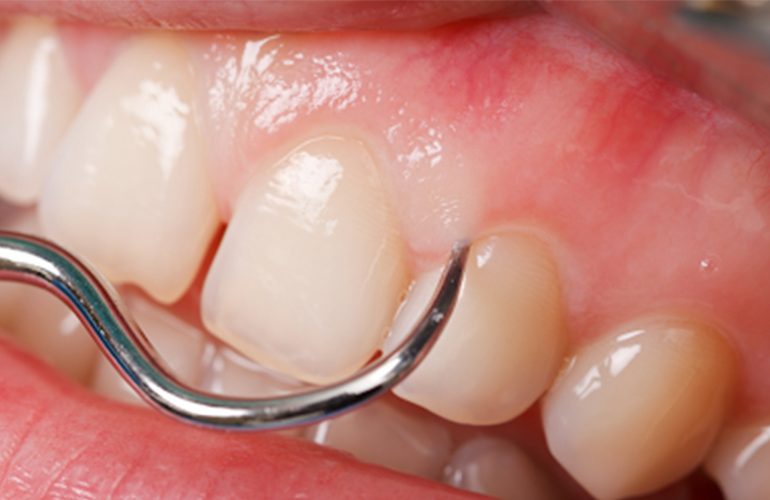
In recent years, the connections between oral health and general health have been talked about more. Among these topics, one of those that attracts the most interest is cardiovascular health. However, both exaggerated and incomplete information circulates on this subject. Understanding the relationship between gums and heart health correctly allows you to take the necessary precautions without unnecessary worry. As DijiDent Oral and Dental Health Polyclinic, in Türkiye we address this topic in a measured way.
What Is the Scientific Status?
A statistical relationship is reported between advanced periodontal disease and cardiovascular diseases. The proposed mechanisms concern chronic inflammation increasing the overall inflammatory burden in the body and bacteria of oral origin being able to enter the bloodstream.
However, there is an important limit here: the fact that a relationship has been shown does not prove that one causes the other. The two conditions share common risk factors: smoking, diabetes, age, eating habits and socioeconomic factors. For this reason, definitive statements such as “gum disease causes heart attacks” are not scientifically supported.
On the other hand, the reasonable approach is this: treating a focus of chronic inflammation is beneficial under all circumstances. Protecting your gum health is not a treatment for your heart health; however, it is a meaningful step in terms of general health.
Dental Treatment in Heart Patients
This is the real practical issue. Dental treatment can be applied in patients with heart conditions; however, planning takes some points into account.
Sharing Information
When coming to the examination, it is important that you bring your diagnoses, the procedures you have undergone and an up-to-date list of the medications you use. When necessary, planning is done by contacting your cardiologist.
Use of Blood Thinners
Do not stop these medications on your own decision. Stopping the medication may have more serious consequences than the risk of bleeding. Today, many dental procedures can be done safely while continuing the medication and using local bleeding control methods. The decision is made together with your relevant physician.
Antibiotic Prophylaxis
In certain heart conditions, the use of preventive antibiotics before some dental procedures may come into consideration. While this used to be applied to a much wider group of patients, today it is limited to certain risk groups. Whether it will be applied to you is determined according to your diagnosis and with your cardiologist’s opinion. Do not use medication on your own decision on this matter.
Appointment Planning
Reducing stress, scheduling the appointment at a suitable time and not keeping the procedure longer than necessary are taken into account. If you feel unwell, it is important that you report it during the procedure.
Blood Pressure and Monitoring During the Procedure
In patients with heart and blood pressure conditions, blood pressure may be measured before the procedure. In addition, the content and dose of the anesthetic used are chosen with your condition in mind. These details are standard steps for carrying out the treatment safely and should not be seen as a source of concern.
Recently Undergone Procedures
If you have recently had a heart attack, a stent placement or heart surgery, it may be recommended to wait for a certain period for non-urgent dental procedures. We determine this period together with your cardiologist. In the presence of an acute infection, however, treatment is not postponed; it is applied while taking the conditions into account.
Dental Infections
In patients with heart conditions, untreated dental and gum infections require separate attention. Leaving a chronic focus of infection waiting may cause problems before planned heart procedures. For this reason, an oral health evaluation may be requested beforehand in patients for whom heart surgery is planned. This evaluation should not be delayed.
What Should You Do?
The practical recommendations are clear: monitor your gum health with regular check-ups, reduce common risk factors (especially smoking), maintain the control of your chronic diseases and ensure the flow of information between your dentist and your cardiologist yourself. Carrying your medication list with you is the simplest way to ensure this flow.
Frequently Asked Questions
No problems have been reported with most current devices; still, be sure to mention your condition.
A relationship is reported; however, a direct cause-and-effect relationship has not been proven.
No, do not stop it on your own decision. The decision is made together with your relevant physician.
No. It only comes into consideration in certain risk groups.
It can be done safely with proper planning; it is enough that you mention your condition.
No treatment promise can be made in this direction; however, eliminating a focus of inflammation is beneficial in terms of general health.
Sharing information is the foundation of safe treatment.
If you have a chronic condition, come to your check-up with your medication list. Contact us to book an appointment; let us do the planning together at DijiDent Oral and Dental Health Polyclinic.
This content is for general information purposes and does not replace cardiological treatment. Do not change your medication use without consulting your relevant physician.