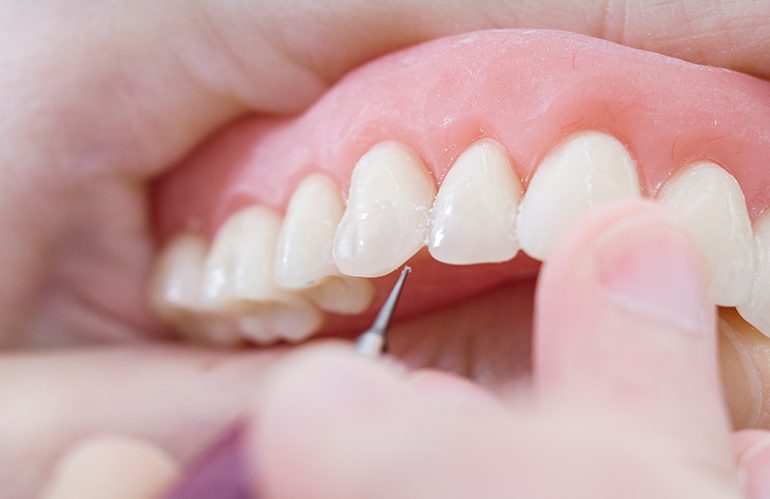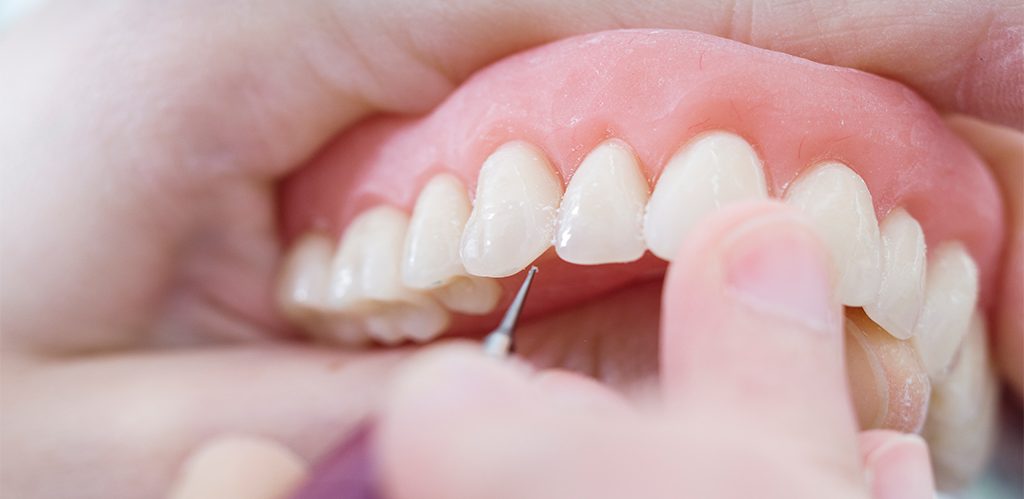
In people who use dentures, chewing efficiency is lower compared to natural teeth. This situation often narrows eating habits without being noticed; foods that are difficult to chew drop off the menu and dietary variety decreases over time. For this reason, eating with dentures is a matter not only of comfort but of general health. As DijiDent Oral and Dental Health Polyclinic, in Türkiye we attach importance to also asking about the nutritional status of our patients who use dentures.
Gradual Transition in the First Weeks
Eating with a new denture does not suddenly return to normal. The following sequence is recommended:
- First days: Soup, yogurt, milk pudding, puréed vegetables, well-cooked soft foods.
- Next stage: Minced meat, well-cooked chicken, fish, eggs, boiled vegetables, pasta.
- Advanced stage: More resistant foods are added gradually.
The speed of transition varies from person to person; when you struggle, going back to the previous stage is a correct approach.
Chewing Technique
Chewing with dentures differs from chewing with natural teeth, and this technique can be learned:
- Use both sides at the same time: Chewing on one side lifts the other side of the denture.
- Take small bites: Large bites strain the denture.
- Do not bite with your front teeth: Cut foods such as apples, sandwiches or corn into small pieces.
- Chew slowly: Rushing may lead to both movement and cheek biting.
Challenging Foods
Sticky foods (Turkish delight, caramel, the soft inside of fresh bread) may lift the denture out of place. Hard nuts and seeds may lead to fractures. Small-grained foods (sesame, fruits with seeds, rice) may get under the denture and cause discomfort. These are not completely forbidden; however, they should be eaten carefully and rinsing the denture after meals is recommended.
Maintaining Nutritional Quality
This section is the overlooked but most important topic. A decrease in the consumption of meat, raw vegetables and fruit due to chewing difficulty may reduce the intake of protein, fiber, vitamins and minerals. In the older age group, this situation is associated with muscle loss, weakened immunity and general health problems.
The solution is to change the way foods are prepared instead of removing them from the menu:
- Eat meat as mince, meatballs or slow-cooked dishes.
- Steam vegetables or turn them into purée.
- Grate fruits, make compote or have them as a smoothie.
- Cook legumes well; they are valuable as a source of protein.
- Do not neglect dairy products.
If you are losing weight or your diet has narrowed significantly, be sure to share this. If necessary, your dentist will refer you to the relevant specialist.
Fluid Intake
Drinking enough water is especially important for people who use dentures. Dry mouth makes denture retention more difficult and creates a susceptibility to irritation in the tissues. Some medications may also cause dry mouth; in this case, it is recommended that you inform your dentist and drink water spread throughout the day.
On Taste
In upper complete dentures, covering the palatal surface may somewhat affect taste perception. Since taste buds are mainly located on the tongue, taste is not lost completely; however, temperature perception may decrease. This is an important safety issue: very hot foods and drinks may cause burns on the palate. We recommend that you take the first bite carefully.
Post-Meal Routine
Removing the denture after every meal and rinsing it under water removes the debris that has got underneath and prevents irritation. This habit both protects tissue health and reduces bad breath. When you are out and this is not possible, rinsing your mouth with plenty of water is also beneficial.
Eating in Social Settings
Many patients avoid eating out. Starting with familiar and soft options, eating slowly and carrying a small cleaning kit are practical measures to reduce this anxiety. As adaptation progresses, most patients overcome this shyness.
Frequently Asked Questions
Yes, but since the perception of temperature on the palate may decrease, it is recommended that you take the first sip carefully.
Yes. Eating it slow-cooked, cut into small pieces or as mince makes it easier.
It varies from person to person; a gradual transition speeds up the process.
A certain amount is normal; if it is constant and bothersome, the fit should be evaluated.
Do not wait. Both the denture fit and your nutritional status should be evaluated.
It is usually not recommended; it may lift the denture out of place and stick to it.
Enjoying food is part of the treatment.
If you are struggling to chew or your diet has narrowed, let us evaluate the fit of your denture. Contact us to book an appointment; let us find a solution at DijiDent Oral and Dental Health Polyclinic.
This content is for general information purposes and does not replace the opinion of a nutrition specialist. Consult your doctor in case of weight loss and nutritional problems.