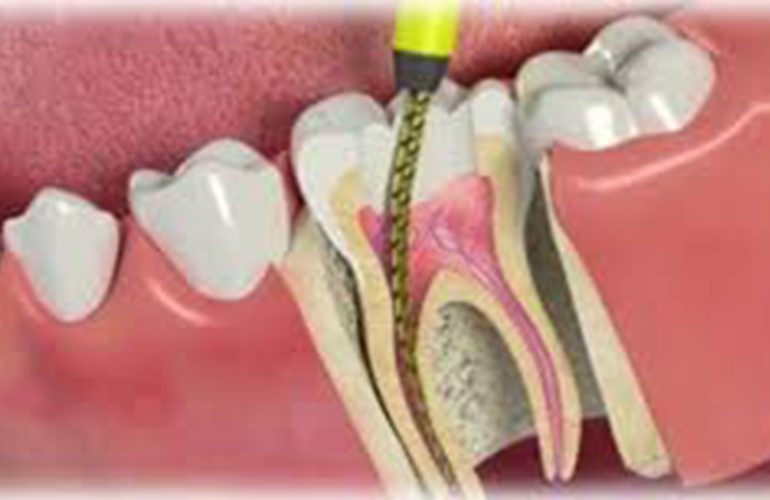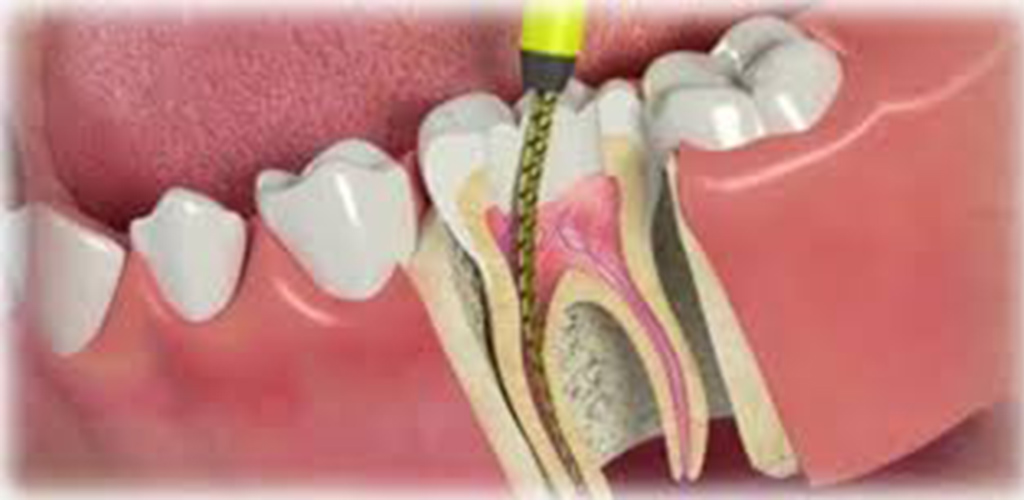
The purpose of root canal treatment is to eliminate the source of pain in the tooth. However, the tooth is not expected to become completely numb immediately after treatment; it is quite common for the surrounding tissues to remain sensitive for a few days in response to the procedure. Knowing what is normal during this period and what requires evaluation prevents unnecessary anxiety. Knowing the general course of pain after root canal treatment and the ways of finding relief helps you get through the healing process more comfortably. As DijiDent Oral and Dental Health Polyclinic, we offer our patients in Türkiye a clear roadmap for the post-treatment period.
Why Does Pain Occur After Treatment?
During root canal treatment, the pulp tissue is removed and the canals are cleaned down to the root tip. The periodontal ligament and surrounding tissues located just outside the root tip may give a mild inflammatory response to these procedures. If there was an infection at the root tip before treatment, the response may be more pronounced since these tissues are already sensitive. In addition, keeping the mouth open for a long time can lead to fatigue and tenderness in the jaw muscles, and the area where anesthesia was applied can also cause a mild ache for a few days.
What Is the Normal Course?
The First 24–48 Hours
After the anesthesia wears off, mild to moderate pain or aching may be felt in and around the tooth. In most patients, this period is easily controlled with the painkillers recommended by the dentist. The discomfort is usually at its highest in the first days.
The First Week
The pain gradually decreases. Mild sensitivity may continue when pressure is applied to the tooth, especially when biting. This is an expected situation showing that the tissues around the root tip are healing.
The Following Weeks
In most patients, the sensitivity largely disappears. Especially in teeth with a large lesion at the root tip, a slight awareness when chewing hard foods may persist for longer. Complete healing of the bone tissue, however, takes months and is monitored with check-up X-rays.
Factors Affecting the Intensity of Pain
- Pain before treatment: In patients with severe pain before treatment, sensitivity afterwards is more likely.
- Infection at the root tip: In teeth with an abscess or a root tip lesion, the healing process may be longer.
- Retreatment: After retreatment procedures done on previously treated teeth, sensitivity may be somewhat more pronounced.
- The type of tooth: In multi-rooted molars, since the procedure is more extensive, sensitivity may last longer.
- Bite height: A temporary or permanent filling remaining high can prolong the pain by putting extra load on the tooth when biting.
Recommendations for Getting Through This Period Comfortably
- Use medications correctly: Use the painkiller your dentist recommends at the specified dose and intervals. Taking it before the pain intensifies is usually more effective.
- Do not chew on the treated side: Avoid hard, sticky and very hot foods until the permanent restoration is done.
- Cold application: Applying a cold compress to the cheek intermittently on the first day may reduce swelling and discomfort.
- Continue oral care: Continue brushing and interdental cleaning gently.
- Rest your jaw: Avoid chewing gum and clenching your teeth.
Does the Tooth Feel High When You Bite?
The feeling after treatment that the tooth is contacting the opposing tooth early may stem both from slight swelling in the tissues and from the filling remaining high in the bite. If this feeling does not decrease within a few days, it is recommended that you go to the clinic. A small bite adjustment often speeds up relief significantly.
Which Symptoms Require Evaluation?
It is recommended that you contact your clinic in the following situations:
- Increasing pain: Pain that intensifies instead of decreasing after a few days.
- Swelling: Swelling that appears or increases in the gum or face.
- Fever: Fever or weakness accompanying pain and swelling.
- Pain that does not respond to medication: Pain that cannot be controlled with the recommended painkillers.
- The temporary filling falling out: The canals being left exposed may increase the risk of infection.
- Allergic symptoms: Itching, rash or shortness of breath related to the medications used.
In case of serious symptoms such as rapidly spreading facial swelling or difficulty swallowing or breathing, the emergency department should be consulted without losing time.
These symptoms may show a situation outside what is expected in the healing process and can usually be managed easily with early evaluation.
Long-Lasting Sensitivity
Pain that continues or starts again despite weeks having passed may be related to causes such as a missed canal, a root crack, a leaking restoration or delayed healing at the root tip. In this case, a clinical and radiographic evaluation is carried out and additional treatment is planned if necessary. At DijiDent, we see post-treatment check-ups as an integral part of the process to make sure that healing is progressing correctly.
Frequently Asked Questions
Yes, mild to moderate sensitivity lasting a few days is common and usually decreases on its own.
In most patients, it decreases significantly within the first few days; mild sensitivity when biting may continue for a while.
In most cases they are not needed. Antibiotics are prescribed only in situations the dentist deems necessary.
No, it is common in the first days. If it does not decrease within a few days, go to the clinic for a bite check.
Contact your clinic. If there is rapidly spreading swelling or difficulty swallowing, go to the emergency department.
We are with you during the healing process.
Contact us to book an appointment to have your ongoing pain or sensitivity after root canal treatment evaluated. Let us follow your healing together at DijiDent Oral and Dental Health Polyclinic.
This content is for general information purposes and does not replace an examination by a dentist. Medication should be used on a physician’s recommendation. In case of rapidly spreading swelling or shortness of breath, the emergency department should be consulted.