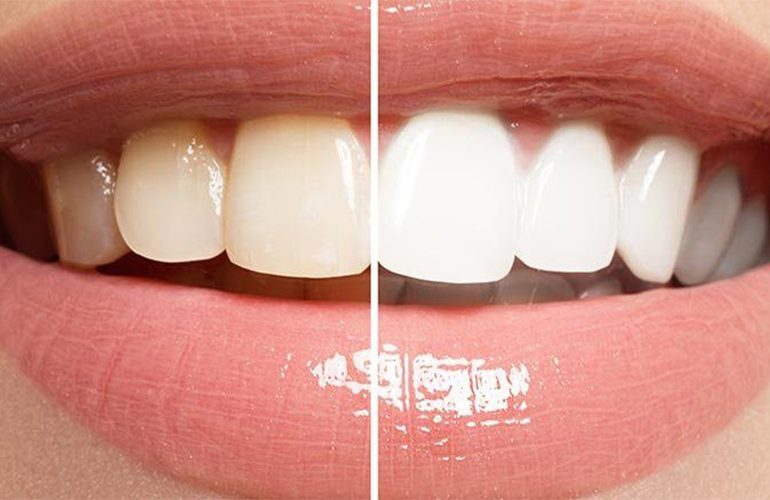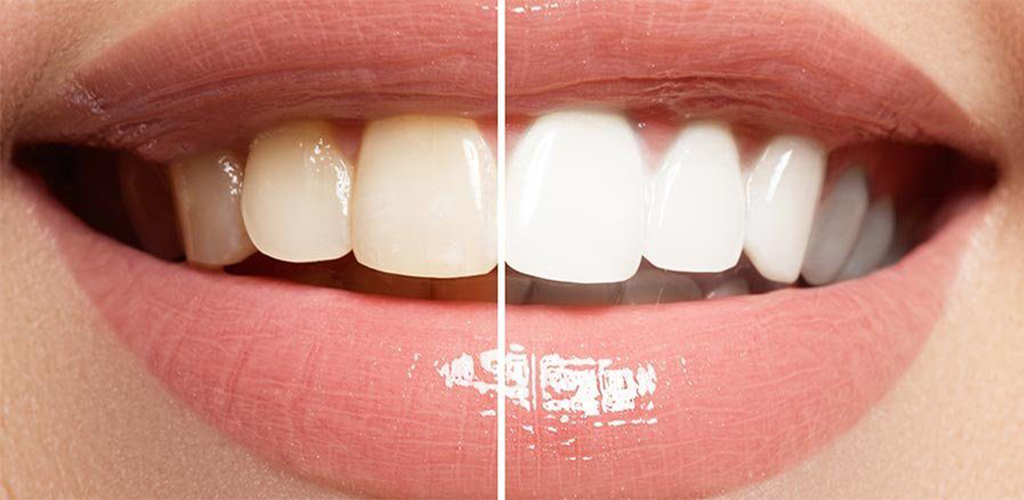
White teeth are associated with a healthy and well-groomed appearance; however, there is no single shade of white that suits everyone. While extremely white teeth can look artificial and out of harmony on some faces, a natural lightness can make the smile more vivid and balanced. The shade guides used to evaluate tooth color and set a target offer an objective language in this process. Having information about natural tooth whiteness and the shade guide helps you aim for the result that suits you best in whitening or aesthetic treatments. As DijiDent Oral and Dental Health Polyclinic, we set the color target with our patients in Türkiye within the whole of facial aesthetics.
How Is Tooth Color Formed?
The visible color of the tooth is formed by the combination of the translucent enamel and the more yellowish dentin layer beneath it. Three basic properties are used to describe color:
- Hue: Which family the color belongs to, such as yellow, reddish or gray.
- Saturation (chroma): How intense the color is.
- Brightness (value): How light or dark the color is. It is the most decisive property in terms of a natural appearance.
In addition, the translucency, surface texture and gloss of the tooth play an important role in the tooth looking natural. Natural teeth are not a single color; the incisal edges are more translucent, while the gum margin is more saturated in color.
What Is a Shade Guide?
In dentistry, standard shade guides are used to determine tooth color. In commonly used guides, colors are grouped with combinations of letters and numbers. The letters indicate the hue of the color, and the numbers indicate the level of darkness. Some guides, on the other hand, order colors from light to dark based on brightness. Guides developed specifically for whitening also include lighter “bleach” shades beyond natural tooth colors.
How Is Color Measured?
Color measurement should be done under standard lighting close to daylight, while the teeth are clean and moist. The dentist determines the closest shade by holding the samples in the shade guide next to the teeth. Digital color measurement devices and standard photographs can help make the measurement more objective. Recording the initial and result colors allows the effect of whitening to be evaluated.
How Many Shades Does Whitening Lighten?
There is no definite answer to this question. The result of whitening varies greatly from person to person according to the initial color, the type of discoloration, the structure of the teeth and the method applied. While a marked lightening is achieved in some patients, the result may be more limited with some types of discoloration. For this reason, it is not right to promise a specific number of shades; the target is the most natural lightness achievable for the person’s teeth.
What Determines Natural Whiteness?
The Whites of the Eyes
A reference frequently used in aesthetic dentistry is that the teeth should not be whiter than the white part of the eyes. Teeth markedly whiter than the whites of the eyes can lead to an artificial appearance.
Skin Tone
Skin tone affects how tooth color is perceived. With a darker skin tone, teeth may look whiter due to contrast. With a lighter skin tone, on the other hand, extremely white teeth may look more prominent and artificial.
Age
With age, teeth naturally darken and their translucency changes. At an advanced age, extremely white teeth may look out of harmony with the rest of the face. For a natural appearance, a lightness appropriate to age can be preferred.
Lip and Gum Color
Lip and gum color also affect the perceived color of the teeth. Red-toned lipsticks, for example, can help the teeth look whiter.
Social Media and Realistic Expectations
Some of the extremely white smiles seen on social media were achieved with filters, lighting or restorations such as veneers and crowns. It is often not possible for natural teeth to reach these shades with whitening. Setting your expectations in line with the natural limits of your own teeth and your facial features allows you to get a more satisfying result.
The Appearance of Excessive Whiteness
Teeth that are attempted to be whitened beyond their natural limit may, in some situations, take on a translucent, grayish or bluish appearance. This effect may be more pronounced, especially at the incisal edges. For this reason, the aim in whitening is not the whitest possible shade, but the most suitable shade that protects the health of the tooth and is in harmony with the face.
Shade Selection in Restorations
In restorations such as veneers or crowns, shade selection can be made from a wider range. However, for a natural appearance, not only brightness but also translucency, surface texture and color transitions are taken into account. All the teeth being exactly the same and opaque white can cause an artificial appearance.
Color Planning with Digital Smile Design
At DijiDent, when setting the color target, we use digital smile design tools and evaluate together in advance how different shades will harmonize with your face. Our aim is a healthy and natural smile that reflects you.
Frequently Asked Questions
The letters indicate the hue of the color, and the numbers indicate the level of darkness; some guides are ordered by brightness.
A definite number cannot be given; the result varies from person to person.
A lightness that is generally not whiter than the whites of the eyes and is in harmony with the face is considered natural.
It affects how tooth color is perceived; with darker skin, teeth may look whiter.
The type of light changes how color is perceived; for this reason, measurement is done under standard lighting.
Let us find the white that suits you together.
Contact us to book an appointment to have your color analysis done and to set a target in harmony with your face. Let us carry out your digital smile design together at DijiDent Oral and Dental Health Polyclinic.
This content is for general information purposes and does not replace an examination by a dentist. Whitening results vary from person to person; a specific shade result cannot be guaranteed.