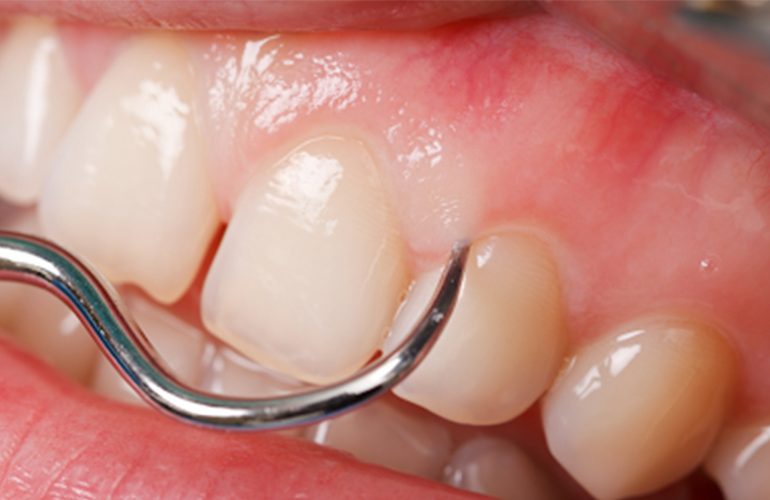
Since dental implants are produced from materials such as titanium or zirconia, they do not decay; however, this does not mean that they do not require care. The gum and bone surrounding the implant can be affected by bacterial plaque, just as with natural teeth. Gum health around implants is one of the decisive factors in the implant being able to continue functioning for many years. As DijiDent Oral and Dental Health Polyclinic, we offer our patients in Türkiye regular follow-up and a personal care plan after implant treatment as well.
Why Are the Tissues Around Implants Sensitive?
In a natural tooth, there is a connective tissue called the periodontal ligament between the root and the bone; this tissue is rich in blood vessels and contributes to defense. In an implant, this intermediate tissue does not exist; the implant fuses directly with the bone. The structure of the connection between the gum and the implant is also different from that of a natural tooth. Because of these differences, inflammation that starts around an implant may progress faster in some cases.
A Two-Stage Process: Mucositis and Peri-implantitis
Peri-implant Mucositis
This is inflammation of the soft tissue around the implant. It shows itself with redness, swelling and bleeding during brushing or probing. At this stage, there is no bone loss. It can be likened to gingivitis in natural teeth and, when noticed early, can often be reversed with professional cleaning and strengthened home care.
Peri-implantitis
This is the advanced stage in which inflammation spreads to the bone supporting the implant. Bone loss around the implant, deepening pockets, sometimes purulent discharge and gum recession may be seen. There may be no pain at first; for this reason, regular check-ups are important for early diagnosis. When left untreated, the support of the implant may decrease.
Risk Factors
- Inadequate oral care: Plaque accumulating around the implant is the most basic cause of inflammation.
- A history of periodontitis: In people who have had gum disease in the past, the likelihood of problems around implants may increase.
- Smoking: It increases the risk by negatively affecting tissue blood flow and healing.
- Uncontrolled diabetes: It can weaken resistance to infections and tissue healing.
- Prosthesis design that is difficult to clean: Prostheses that cannot be reached underneath can make plaque accumulation easier.
- Neglecting check-up appointments: It leads to early signs being missed.
Some of these risk factors are modifiable. Quitting smoking, keeping blood sugar under control and not neglecting daily care are the most effective steps in the patient’s own hands for protecting health around the implant.
Which Symptoms Should You Watch For?
Bleeding around the implant when brushing, redness or swelling in the gums, a bad taste or odor, the gum receding so that the implant surface becomes visible and discomfort when chewing are signs that require consulting a dentist. A feeling of loosening in the implant-supported prosthesis should also be evaluated separately.
How Is Implant Care Done at Home?
- Brushing: Brush twice a day with a soft-bristled brush, paying special attention to the area where the implant meets the gum.
- Interdental cleaning: Clean around the implant every day with interdental brushes of suitable size, implant floss or special tools your dentist recommends.
- Single-tuft brush: It provides targeted cleaning for hard-to-reach surfaces.
- Water flosser: It may be recommended as an auxiliary tool, especially for bridges and full-arch implant-supported prostheses.
Prosthesis Design and Cleanability
Health around the implant is closely related not only to the surgery but also to the design of the prosthesis made on it. The shape of the area where the prosthesis meets the gum determines whether an interdental brush or floss can reach this area. At DijiDent, when planning implant-supported prostheses, we include cleanability among our evaluation criteria alongside aesthetics and chewing function.
In full-arch implant-supported prostheses, some systems are designed so that they can be removed by the dentist for cleaning. In such prostheses, it may be necessary at periodic check-ups to remove the prosthesis and clean both the area around the implant and the underside of the prosthesis. Which tools you need to use at home according to the type of prosthesis applied to you is shown in detail at delivery.
Follow-Up and Treatment in the Clinic
After the implant is completed, pocket depths around the implant are measured at regular check-ups, bleeding findings are recorded and, when necessary, the bone level is compared with radiographic images. In professional cleaning, special instruments suitable for the implant surface are used. The check-up interval is determined by your dentist according to your risk factors, your oral care and your prosthesis type.
At the mucositis stage, professional cleaning and improving home care are usually sufficient. In the case of peri-implantitis, cleaning, antiseptic applications and, in necessary cases, surgical approaches may come into consideration. The choice of treatment is made according to the extent of bone loss and the condition of the implant.
For Our Patients Coming from Abroad
Our patients who have had implant treatment in Türkiye and live in another country can be provided with implant information, images and a treatment summary. These documents make it easier for your dentist where you are to continue the follow-up.
Frequently Asked Questions
No, the implant material does not decay. However, the gum and bone around it can become inflamed as a result of bacterial plaque.
It is not considered normal. Bleeding is mostly a sign of soft tissue inflammation and needs to be evaluated.
When intervened in at an early stage, the aim is to bring the inflammation under control. The scope and outcome of treatment depend on the extent of bone loss.
The check-up interval is determined individually. More frequent check-ups may be recommended for patients with risk factors.
Smoking is an important risk factor that can negatively affect the health of the tissues around implants. Quitting is recommended for long-term health.
With care, your implant stays with you for many years.
Contact us to book an appointment to have the tissues around your implant checked and to create your personal care plan. Let us follow your implants together regularly at DijiDent Oral and Dental Health Polyclinic.
This content is for general information purposes and does not replace an examination by a dentist. The treatment approach and check-up intervals are determined individually by the dentist.