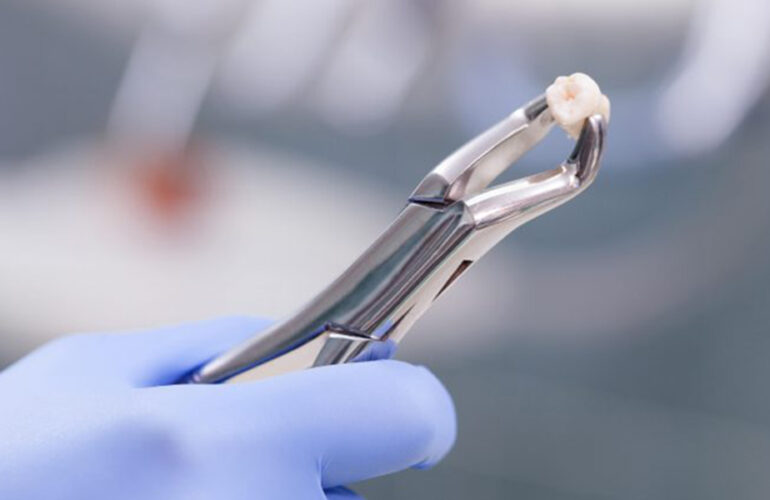
Diabetes is a common chronic disease that directly affects oral health. Gum diseases and infections may be seen more frequently in diabetic patients, and this can increase the need for tooth extraction. At the same time, uncontrolled high blood sugar can slow wound healing after extraction and increase the risk of infection. However, with the right preparation and planning, tooth extraction in diabetic patients can be done safely. As DijiDent Oral and Dental Health Polyclinic, we plan the surgical procedures of our diabetic patients in Türkiye individually and in harmony with their relevant physicians.
How Does Diabetes Affect Oral Surgery?
- Wound healing: High blood sugar can reduce blood flow reaching the tissues due to changes in small blood vessels and slow healing.
- Risk of infection: The function of immune cells can be affected; the risk of infection at the extraction site may increase.
- Blood sugar fluctuations: Surgical stress, fasting and dietary changes can raise or lower blood sugar.
- Dry mouth: Reduced saliva flow can make bacterial accumulation easier.
What is decisive here is not so much the presence of diabetes as how well it is controlled. In patients whose blood sugar is kept regular and at target values, healing after extraction can be quite close to that of people without diabetes.
Evaluation Before Extraction
Status of Blood Sugar Control
The HbA1c value, which shows recent blood sugar control, and your daily measurements provide important information for surgical planning. If your values are markedly above target, non-urgent procedures may be postponed until blood sugar control is improved. In emergencies, however, since controlling the infection is the priority, treatment is planned with additional precautions, because the infection in the mouth can itself make blood sugar control more difficult.
Medications and Accompanying Diseases
The diabetes medications you use, your insulin type and dose, and accompanying conditions such as heart, kidney or vascular diseases, if any, are evaluated. When necessary, a joint plan is created by consulting your internal medicine or endocrinology physician.
Recommendations for the Day of the Procedure
- Morning appointment: Morning hours are generally preferred in terms of blood sugar control and medication schedule.
- Do not skip your meal: Have your normal breakfast in line with your dentist’s recommendation; do not come hungry.
- Medication schedule: Get information in advance from your diabetes physician about the use of insulin or your other medications.
- Measuring device: Bring your blood glucose meter with you; a measurement may be taken before the procedure.
- Fast-acting sugar source: Keep fruit juice or sugar with you in case your blood sugar drops.
- Report symptoms: If you feel sweating, trembling, dizziness or weakness during the procedure, say so immediately.
Precautions Taken During the Procedure
Surgical trauma is minimized by approaching the tissues gently. The procedure time is kept as short as possible; if more than one tooth needs to be extracted, the procedures can be divided into several sessions. The extraction socket is carefully cleaned and stitches are placed when necessary. In situations where the risk of infection is high, your dentist may recommend additional precautions.
The Post-Extraction Period
Blood Sugar Monitoring
In the days after the extraction, pain, stress and dietary changes can affect your blood sugar. During this period, it is important that you measure your blood sugar more frequently and use your medications regularly. Even though your diet shifts to soft foods, try to maintain your meal schedule.
Nutrition
Relying heavily on sugary options such as pudding, ice cream and fruit juice while eating soft foods can raise blood sugar. Options containing protein and fiber, such as unsweetened yogurt, eggs, curd cheese, vegetable soups and mashed legumes, can be preferred.
Oral Care
Follow the oral care instructions recommended by your dentist meticulously to reduce the risk of infection. Avoid vigorous rinsing on the first day; in the following days, clean gently as recommended. Smoking is strongly discouraged during this period, as it will negatively affect healing.
A Preventive Approach in Diabetic Patients
A significant portion of situations requiring tooth extraction stem from caries and gum diseases that have gone untreated for a long time. Diabetic patients going for regular dental check-ups, having gum disease treated early and taking care of their oral hygiene can help reduce the need for extraction.
Warning Signs
In the event of increasing pain or swelling, fever, purulent discharge from the extraction site, the wound not healing within the expected time or your blood sugar rising uncontrollably, contact your clinic and your diabetes physician without losing time.
Diabetes and Oral Health: A Two-Way Relationship
While uncontrolled diabetes can worsen gum disease, chronic inflammation in the mouth can also make blood sugar control more difficult. For this reason, regular dental check-ups should be seen as an important part of diabetes management. Timely treatment of infected teeth that cannot be preserved can also contribute to your general health. At DijiDent, we approach our diabetic patients with this holistic perspective.
Frequently Asked Questions
Yes. In patients whose blood sugar is under control, tooth extraction can be done safely; preparation and planning are important.
Non-urgent procedures may be postponed until control is achieved; in urgent infections, treatment is planned with additional precautions.
In uncontrolled diabetes, healing may slow down; with good control, this difference decreases markedly.
Be sure to make the decision about your medication schedule by consulting your diabetes physician.
They are not needed in every case; your dentist decides according to your risk status.
A safe surgical process alongside diabetes.
Contact us to book an appointment for a personal treatment plan that also takes your diabetes into account. Let us plan your treatment in harmony with your other physicians at DijiDent Oral and Dental Health Polyclinic.
This content is for general information purposes and does not replace an examination by a dentist. Be sure to consult the relevant physician before making any changes to your diabetes medications.