Caries is a problem that can be treated with a simple filling at an early stage. However, when it progresses unnoticed, it approaches the deep layers of the tooth and the pulp; at this point the treatment options diversify and the decision must be made more carefully. Today’s dentistry attaches importance to approaches that aim to preserve the vitality of the pulp whenever possible. Knowing the treatment options for deep caries helps you understand your dentist’s recommendations and make the right decision together. As DijiDent Oral and Dental Health Polyclinic, we present these options transparently to our patients in Türkiye.
What Is Deep Caries?
After caries passes through the enamel and reaches the dentin, it can progress faster; because dentin is softer than enamel. Situations in which the caries is very close to the pulp or has reached the pulp are considered deep caries. At this stage, cold sensitivity, twinges with sweets or pain may be seen in the tooth; however, some patients may have no symptoms at all.
Factors Determining the Treatment Decision
- The condition of the pulp: Is the pulp healthy, reversibly inflamed or irreversibly inflamed?
- Symptoms: The presence and duration of pain, whether it starts spontaneously and whether it increases at night.
- Radiographic findings: How close the caries is to the pulp and whether there is a lesion at the root tip.
- The patient’s age: Preserving the pulp is especially important in young teeth whose root development is not complete.
- Remaining tooth tissue: Whether there is enough healthy tissue for the durability of the restoration.
Treatment Options
Controlled Caries Removal and Filling
If the pulp is healthy or reversibly stimulated, the caries can be carefully removed and a suitable filling placed. In some situations, to avoid exposing the pulp, part of the hardened dentin closest to the pulp is left and covered with a protective material. This approach aims to preserve healthy tissue and the pulp.
Indirect Pulp Capping
If, after the caries is removed, the pulp is very close but not exposed, a biocompatible material that supports the healing of the pulp and the formation of new dentin is placed in this area. The tooth is then permanently restored.
Direct Pulp Capping
If a small exposure of the pulp occurs during caries removal and the pulp looks healthy, the exposed area can be covered directly with a biocompatible material. The success of this procedure depends on the size of the exposure, keeping the area clean and the overall health of the pulp.
Pulpotomy
If only the upper part of the pulp is affected, the inflamed part is removed and the healthy pulp in the root canals is preserved. This method, applied especially in baby teeth and young permanent teeth whose root development is not complete, can also be considered in adult teeth in suitable cases.
Root Canal Treatment
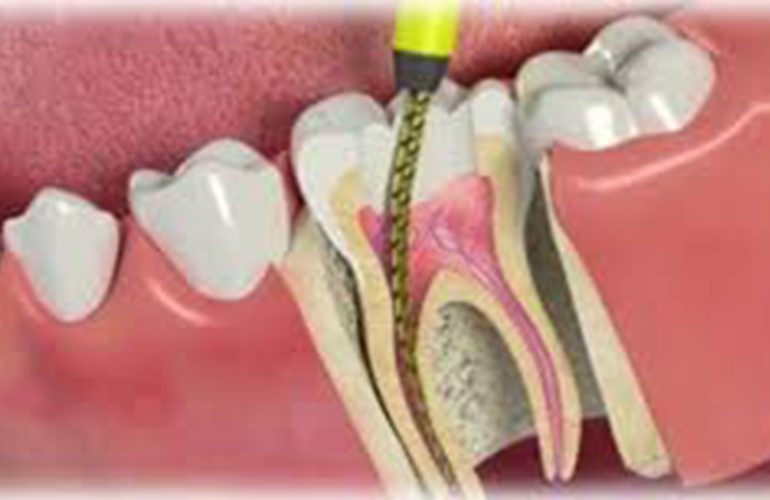
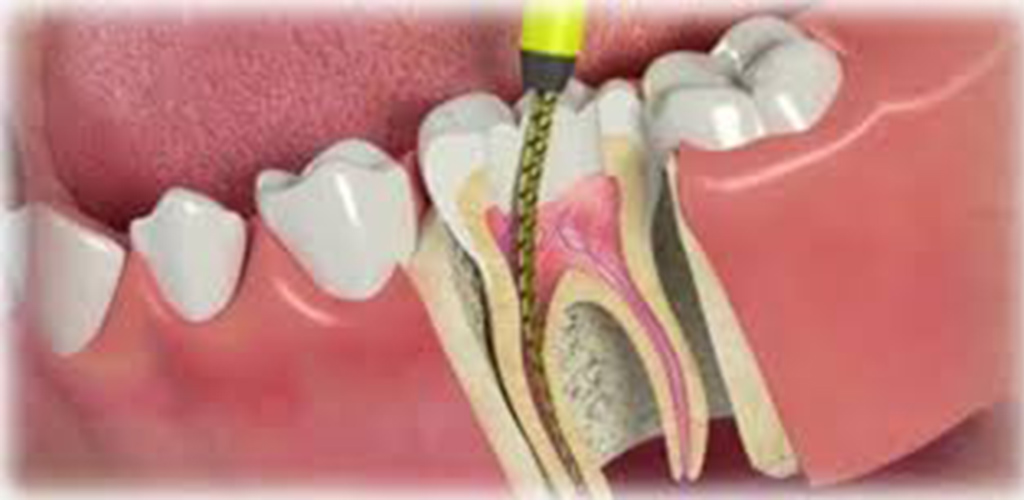
If the pulp is irreversibly inflamed or has lost its vitality, root canal treatment is applied. Pain that starts spontaneously, wakes you at night and lasts a long time, and the presence of a lesion at the root tip, are signs of this situation.
Advantages and Limits of Vital Treatments
Treatments that preserve the pulp maintain the vitality of the tooth, allowing its natural defense and sensory functions to continue, and are usually less invasive. However, they are not suitable for every case and their outcomes cannot be predicted with certainty in advance. The response of the pulp is monitored after treatment; if pain develops or the pulp loses its vitality, it may be necessary to switch to root canal treatment. This possibility should be shared openly with the patient before treatment.
The condition of the pulp cannot always be understood with certainty just by looking at the symptoms. For this reason, in some cases the final decision is made after the appearance of the pulp and the bleeding status have been evaluated during caries removal. Your dentist shares this possibility with you before the procedure and explains how to proceed in different scenarios.
The Importance of Isolation and Material Selection
One of the most important elements affecting success in pulp-preserving treatments is protecting the area from saliva and bacteria during the procedure. For this reason, isolation with a rubber dam and the use of biocompatible calcium silicate-based materials are important. The permanent restoration done after treatment being sealed also ensures that the pulp is protected from bacteria. At DijiDent, we apply these steps meticulously in order to support the healing potential of the pulp.
Why Should You Not Wait If There Is No Pain?
Even if deep caries does not cause pain, it continues to progress. When it reaches the pulp, the preserving options may disappear and treatment becomes more comprehensive. Treating the caries before it reaches the pulp means catching the most suitable time to preserve the vitality of the tooth. For this reason, early diagnosis with routine check-ups and X-rays is of great importance.
After Treatment
After deep fillings, cold sensitivity may be seen for a while and usually decreases over time. In case of pain that starts spontaneously, night pain or long-lasting sensitivity, it is important that you inform the clinic. In teeth that have undergone pulp capping, check-ups are done at intervals determined by your dentist to monitor healing.
Frequently Asked Questions
Not always. If the pulp is healthy or reversibly affected, pulp-preserving treatments can be considered.
If pain develops or the pulp loses its vitality, a switch to root canal treatment can be made. This is why follow-up is important.
Short-term cold sensitivity may be seen. Pain that starts spontaneously or wakes you at night requires evaluation.
Caries can progress painlessly. Waiting can lead to the disappearance of pulp-preserving options.
Yes. Leakage or new caries can develop at the margins of a filling. It can be noticed early with regular check-ups.
Early diagnosis preserves the vitality of your tooth.
Contact us to book an appointment to have the depth of your caries evaluated and learn the options for preserving your tooth. Let us create the treatment plan that suits you together at DijiDent Oral and Dental Health Polyclinic.
This content is for general information purposes and does not replace an examination by a dentist. The choice of treatment and its results vary from person to person; the decision is made after the clinical evaluation.