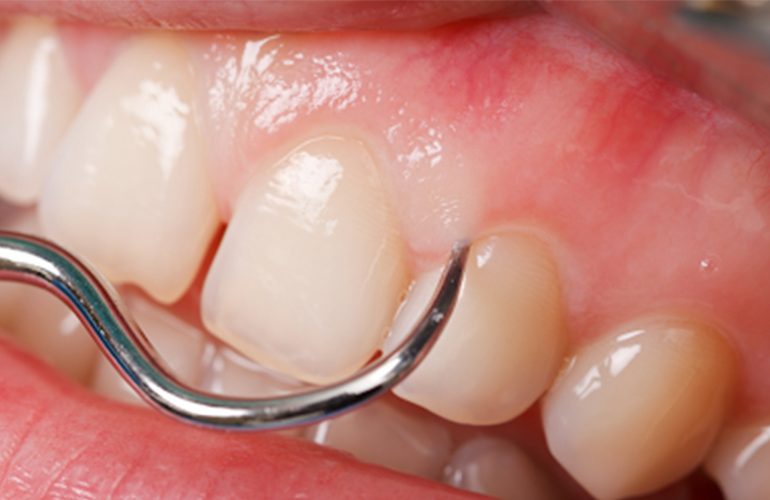
A toothbrush is effective in cleaning the front, back and chewing surfaces of the teeth; however, it cannot sufficiently reach the interdental surfaces where two teeth touch each other. It is no coincidence that a significant proportion of gum diseases and caries start precisely in these areas. For this reason, using dental floss and interdental brushes is considered not a supplementary but a fundamental part of daily oral care. As DijiDent Oral and Dental Health Polyclinic, we recommend that our patients in Türkiye choose together with us the interdental cleaning tool most suitable for their oral structure.
Why Are the Spaces Between the Teeth So Important?
Bacterial plaque accumulating between the teeth matures freely in an environment that the bristles of the brush cannot reach. Over time, this plaque can lead to gum inflammation, harden into tartar and cause caries on the enamel surface. Interproximal caries are often not noticeable to the eye; the patient only learns of the situation when sensitivity or pain begins. Regular interdental cleaning aims to interrupt this silent process at an early stage.
Dental Floss: The Tool for Tight Contact Points
Dental floss is suitable especially for areas where the teeth are in tight contact with each other and there is no noticeable gap between them. In young patients and those whose gum level has been preserved, it is often the first method of choice. When used correctly, it can clean the side surface of the tooth down to just below the gum line.
Correct Flossing Technique
- Sufficient length: Take about 40–45 cm of floss and wrap the ends around your middle fingers; use a clean section for each space between the teeth.
- Gentle passage: Pass the floss slowly through the contact point with a sawing motion; do not snap it hard against the gum.
- C movement: Wrap the floss around the tooth surface in the shape of the letter “C” and scrape upwards from just below the gum line several times.
- Two surfaces: In the same space, clean the side surfaces of both the front and back tooth separately.
What Does Bleeding in the First Days Mean?
Many people who have just started flossing stop when they see slight bleeding. Yet this bleeding is mostly a sign not of the floss but of the gum inflammation already present in the area. With gentle and regular use, the bleeding is usually expected to decrease. If the bleeding continues for more than two weeks or increases, it is recommended that you have a gum evaluation.
The Interdental Brush: The Solution for Areas with Gaps
The interdental brush comes to the fore in cases where there are visible gaps between the teeth. Gum recession, a history of periodontal treatment, bridges and implant-supported prostheses, and fixed orthodontic appliances are examples of these situations. Small brushes with cylindrical or conical tips can clean over a wider area the surfaces that floss touches only along a single line.
How Is the Right Size Chosen?
The most critical point of an interdental brush is its size. The brush should enter the space with slight friction but without force. A brush that is too thin does not touch the surface; a brush that is too thick can strain the gum. Different sizes may be needed for different areas in the mouth. During the examination, your dentist or our dental team can determine the right size for each area together with you.
Recommendations for Use
- Angled entry: Place the brush parallel to the gum line and at a slight angle, and move it back and forth a few times.
- Do not twist: Rotating the brush in the space can cause the wire to bend and the gum to become irritated.
- Replacement: Renew the brush when the bristles splay or the wire bends.
Which One Suits Whom?
There is no single right tool; the right tool varies according to the oral structure. Floss may be more efficient for teeth with tight contact points, and an interdental brush for spaces with gaps. In many patients, the two need to be used together. Special-tipped floss that can be threaded under a bridge for those with bridges, floss threaders for those wearing braces and handled floss holders for people with reduced manual dexterity offer practical solutions.
At DijiDent, we make our interdental cleaning recommendation not as a general template but personalized according to your examination findings. When gum pocket measurements, the condition of prostheses and implants, and manual dexterity are evaluated together, it becomes possible to create a practical and sustainable routine.
When and How Often?
It is recommended that interdental cleaning be done at least once a day. Many dentists advise doing it before evening brushing; in this way, the fluoride in the toothpaste can better reach the cleaned interdental surfaces. What matters is that the practice is repeated every day without fail.
Frequently Asked Questions
This depends on the structure of the spaces between your teeth. Floss may be more efficient in tight spaces, and an interdental brush in wide spaces. Your dentist recommends the suitable combination after the examination.
Floss used with the correct technique does not open gaps between the teeth. Gaps noticed over time usually become visible as existing gum inflammation recedes.
When chosen in the right size and used without force, it is not expected to cause damage. An overly thick brush or harsh movements can lead to irritation.
Special stiff-tipped floss, floss threaders or interdental brushes of suitable size can be used under a bridge. Your dentist can show you the right method in your mouth.
A water flosser is an auxiliary tool; it is not considered a full equivalent of floss or an interdental brush in mechanically scraping off plaque. Its use is evaluated individually.
The right tool is the beginning of the right habit.
Contact us to book an appointment to learn which tool and which size is suitable for the spaces between your teeth. Let us create a personalized interdental cleaning plan for you at DijiDent Oral and Dental Health Polyclinic.
This content is for general information purposes and does not replace an examination by a dentist. The interdental cleaning method is determined by the dentist according to the person’s oral structure.