This is the dilemma most often faced by patients researching aesthetic treatment. Internet sources usually present one as superior to the other; however, the right approach is not the question “which one is better” but the question “which one is suitable for your case.” The zirconia-or-laminate debate can only be conducted meaningfully on the basis of clinical criteria. As DijiDent Oral and Dental Health Polyclinic, in Türkiye we make this decision according to the requirements of the case before the choice of material.
The Basic Structural Difference
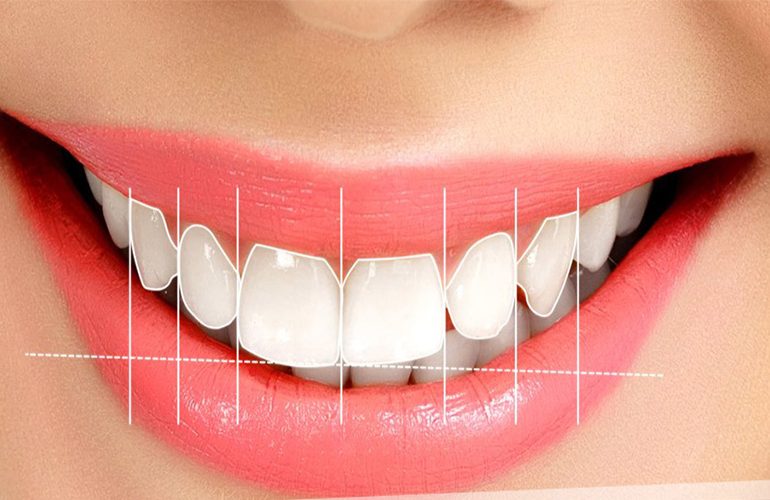
A laminate veneer is a thin porcelain layer that covers only the front surface of the tooth. A zirconia crown, on the other hand, is a full crown restoration that encircles the tooth. This single difference is the source of all other comparisons: the coverage area, the tooth preparation required and the force it can carry are determined from here.
Decision Criteria
Remaining Tooth Tissue
A laminate derives its bonding strength largely from enamel tissue. If not enough enamel remains on the tooth, this bond weakens and a full crown becomes a more suitable option. This is usually the case in teeth with many old fillings or that have had root canal treatment.
Position of the Tooth
Posterior teeth are the area where chewing forces are most intense. Durability is a priority in this region and zirconia is frequently preferred. A laminate, on the other hand, is a solution developed mainly for front-region aesthetics.
Teeth Clenching Habit
In patients with pronounced bruxism, the risk of fracture increases in thin porcelain restorations. In these cases, the habit must first be managed, a protective guard planned and the material chosen accordingly.
Color Condition
If there is very dark discoloration beneath the tooth, a thin and translucent laminate may not fully mask this color. Zirconia, on the other hand, has high masking ability because it transmits less light. However, in the aesthetic zone this feature can sometimes become a factor that reduces naturalness.
Aesthetic Expectations
In a natural tooth, translucency increases toward the incisal edges. Thin glass-ceramic restorations imitate this feature more easily. In zirconia, a similar appearance is aimed for with aesthetic layers applied on top; the result also depends on the technician’s craftsmanship.
Gum Health and Margin Position
In both options, where the restoration margin ends directly affects gum health. Margins ending below the gum can offer an aesthetic advantage; however, they can make cleaning more difficult and cause tissue reactions. Margins ending at or above the gum line are more favorable in terms of care. This decision is made according to your smile line and gum health.
Combined Approaches
A situation frequently encountered in practice is the two materials being used together. Laminates may be preferred in the front region and zirconia in the posterior region. Or, in the front region, laminates may be applied to some teeth and a full crown to a tooth with a great deal of structure loss. In this mixed planning, the critical point is color harmony; since different materials show different light behavior, planning and laboratory communication require care.
Differences in Cost and Duration
There are differences between the two options in terms of the production process and laboratory craftsmanship; this is reflected in the treatment scope. However, it is not right to make the decision based on cost. An option unsuitable for the case can result in higher long-term costs when it requires renewal in a short time.
There Is No Single Right Answer
If you are told that a single material is unconditionally superior, we recommend that you ask for the rationale. The right approach is to evaluate the remaining tooth tissue, the position of the tooth, bite forces and your aesthetic expectations together. At our clinic, we share these criteria with you and make the decision together.
Frequently Asked Questions
It continues to be used in certain indications; however, since its light transmission is limited in the aesthetic zone, it is preferred less often.
Lifespan depends more on the case and care than on the material. With the correct indication, both can be used for a long time.
In terms of light transmission, thin glass ceramics have an advantage; however, the result also depends on craftsmanship and planning.
Usually yes; however, it varies by case and does not mean it can always be applied without preparation.
No. When color harmony is planned, combined approaches are widely applied.
The trial stage and a detailed evaluation make the decision easier. Getting a second opinion is also your right.
Let us talk not about the material, but about your case.
Contact us to book an appointment to determine which option suits you based on clinical criteria. Let us make your decision together with its rationale at DijiDent Oral and Dental Health Polyclinic.
This content is for general information purposes; material selection and results vary from person to person. The decision is made with a dentist’s examination.